Mia
English · Narration
Young adult and middle grade
Young adult books live inside one character's head and talk fast. Cast a lead who sounds like a teenager, not a parent reading aloud, and give friends, rivals and adults voices listeners can tell apart.
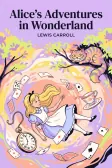
Lewis Carroll
Alice's Adventures in Wonderland
Alice asks the grinning Cheshire Cat for directions — and gets none.
The Cat only grinned when it saw Alice. It looked good-natured, she thought; still it had very long claws and a great many teeth, so she felt it ought to be treated with respect.
Step-by-step guide
From manuscript to a teen lead, a friend group and the adults around them. Free to start, nothing to install.
YA Audiobook Narration
What you get, from manuscript to finished audiobook.
Use cases
Where authors and storytellers put it to work.

Bright, quick leads, friends with different energy, adults with weight and one eager sidekick. Demo performances; in the studio you cast from standard and premium voice lists.
English · Narration
English · Narration
English · Narration
English · Narration
English · Character
English · Creator
English · Creator
English · Narration
English · Narration
English · Narration
In depth
YA audiobook narration has to pass one test before any other: does the lead sound like a teenager? Young adult listeners, and the many adults who read the genre too, notice at once when a sixteen-year-old is voiced like a parent reading a bedtime story. They expect speed, attitude and a close inner voice, because most YA is told in the first person, often in the present tense, from inside one character's head.
FullCastBook builds a young adult audiobook from your manuscript: it finds the chapters and every speaker, gives each a voice plus a narrator, and lets you recast any of them. This page covers what's particular to teen fiction: the first-person lead, the friend group and the line between YA and middle grade. For picture books and early chapter books, see children's audiobook narration.
In a first-person YA book, the narration isn't a neutral storyteller; it's the lead thinking. So the narration and the lead's dialogue should share one voice. After detection, move the narration to the lead's voice, and the jokes, panic and self-doubt in the prose come from the same person who speaks in the scenes.
Audition that voice on a full page of narration, not a single line. A voice that charms for one sentence can grate over eight hours. Listen for energy that stays natural at length, and for a voice that can turn from sarcastic to frightened with only a short direction, such as [sarcastic] or [voice breaking].
The common mistake in YA audiobook narration is casting too young. A teen voice for an audiobook should sound like someone between fifteen and eighteen: youthful in energy and rhythm, adult in control. Bright, expressive narration voices usually work better than cartoon character voices, which suit a talking animal, not a high-school junior.
Direction does the rest. Teen characters rarely announce their feelings, so describe what they hide: [casual, pretending not to care], [too fast, nervous], [flat, so done with this]. Keep each note short and use it where a line turns, not on every sentence. If a voice still sounds too old, try another one rather than directing it younger; a note changes the tone, not the age.
YA audiobook narration has a peer problem: the whole friend group is the same age. Separate them by energy, pitch and accent instead. The talker gets the quickest voice, the quiet one the softest, the rival a voice as confident as the lead's but cooler. Adults should sound clearly older, so a parent, a teacher or a villain registers as someone from another world.
Group scenes are the test: the lunch table, the group chat read aloud, the argument in the car. Generate one before you commit, and if two friends blur, change one voice. Speaker detection does most of the attribution, but quick untagged banter is where it can slip, so skim those scenes and fix any line given to the wrong friend.
A middle grade audiobook is for readers of roughly eight to twelve, with heroes about their age. Its narration can be brighter and a little slower, with broader comic voices and gentler villains, and a sidekick can take a high, eager voice. YA is for teenagers, with older leads, higher stakes and more inner life, so the narration is closer, faster and less performed.
Both audiences binge series, so keep the narrator steady across chapters. Middle grade forgives an animated narrator; YA wants a lead who could plausibly be in high school and adults who are never caricatures.
A scene we wrote for this page. The lead narrates her own chapter in a bright, quick voice: [dry, under her breath] The first rule of the lunch table is you don't sit at the lunch table. I sat at the lunch table.
Priya, a warm, fast-talking friend: [delighted, too loud] “Oh my gosh, you came!” Dev, a cooler, lower voice: [not looking up from his phone] “Bold move.” The lead: [casual, pretending not to care] “It's a chair, Dev.” Then her narration again, same voice: [quieter] It was not just a chair.
One voice tells the story and speaks for the lead, two friends differ in energy rather than age, and every direction describes what the character is hiding.
Plenty of YA alternates between two leads, especially romance and YA fantasy audiobooks. Give each POV chapter's narration to its lead, keep every character's dialogue in their own voice, and put the POV name in each chapter heading so the chapter list is easy to read. For the dual and duet conventions, see romance audiobook narration; for crowded fantasy worlds and invented names, fantasy audiobook narration; older readers of the genre will find more in romantasy audiobooks.
YA readers follow characters across trilogies and long series. FullCastBook keeps the cast with the project, so book two starts with every returning voice, and a lead who grows up over the series can keep the same voice with calmer, older directions. Before you publish, check each store's policy on AI narration; ACX currently requires human narration unless otherwise authorized. Cost follows the length of the book, not the size of the cast; see the plans, or hear full-cast examples first.
Close, quick and natural: a lead who sounds like a teenager, friends who are easy to tell apart, and adults who sound older. Most YA is first person, so the narration should sound like the lead thinking, not a storyteller reading.
Yes. Move the narration to the lead's voice after detection, so the inner monologue and the dialogue come from the same character.
Middle grade, for readers of roughly eight to twelve, takes a brighter narrator, broader comic voices and gentler villains. YA audiobook narration is closer and faster, with older leads and adults who are never caricatures.
Yes. Every speaking character is detected and can have a distinct voice; separate same-age friends by energy, pitch and accent, and check group scenes before you generate.
Yes: a youthful lead, older voices for mentors and villains, and a voice for every creature that talks. The fantasy audiobook narration guide covers invented names and big casts.
The files are yours, so you can sell them where AI narration is accepted; Spotify, for example, takes digital-voice narration when you label it. ACX currently requires human narration unless otherwise authorized.
Keep exploring
GenreChildren's Audiobook NarrationA warm narrator, character voices kids can tell apart and a bedtime pace, for picture books, chapter books and your own stories. GenreFantasy Audiobook NarrationCast a narrator, heroes, villains and creatures from your manuscript, fix invented names and keep the cast for the sequel.
 GenreRomantasy AudiobookDuet leads for the romance, a full cast for the court, fae and dragons, and the same voices every sequel.
 GenreRomance Audiobook NarrationGive both leads their own voice: dual narration by POV chapter or duet narration in every scene, cast and directed by you.
 AudienceClassroom Read-Aloud AudioChapter-sized read-aloud files from texts you can use, with distinct voices so students follow the dialogue.
Upload your YA or middle grade book and get YA audiobook narration with a lead who sounds their age and friends listeners can follow. Free to start.