Winston
English · Narration
For students, parents and teachers
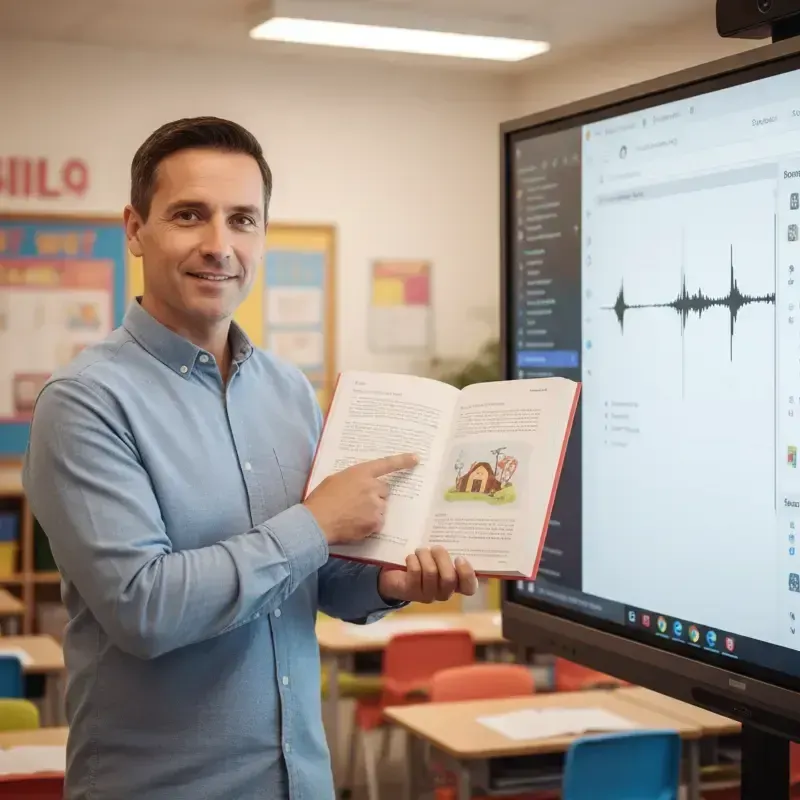
Make audiobooks for dyslexia from the readings that don't have one: class handouts, course PDFs and DRM-free books. Clear narration, a distinct voice for each speaker, and files that play anywhere.
Lewis Carroll
Alice's Adventures in Wonderland
Alice asks the grinning Cheshire Cat for directions — and gets none.
The Cat only grinned when it saw Alice. It looked good-natured, she thought; still it had very long claws and a great many teeth, so she felt it ought to be treated with respect.
Step-by-step guide
From a reading with no audio edition to a file you can play anywhere.
Audiobooks for Dyslexia
Clear narration, distinct voices and files that work in any app.
Use cases
For the readings that don't come with an audiobook.
Examples of steady, easy-to-follow narration. Demo performances; in the studio you cast from standard and premium voice lists.
English · Narration
English · Explainer
English · Narration
English · Narration
English · Narration
English · Narration
English · Narration
English · Narration
English · Narration
English · Narration
In depth
Audiobooks for dyslexia exist to give access. A reader for whom decoding print is slow, tiring work can still take in the same story, vocabulary and ideas as everyone else when they hear the book. The trouble is that many of the readings people actually need, such as class handouts, course packets, a professor's PDF or an older novel, have no audiobook at all.
FullCastBook turns those texts into audio: clear narration, a distinct voice for each speaker in dialogue, and files with chapters that play in any app. It is an audio tool, not a treatment, and it doesn't replace reading instruction or the advice of a teacher or specialist.
Audiobooks for dyslexia are a well-established support. Dyslexia organizations, including the International Dyslexia Association, list audiobooks and text-to-speech among common accommodations for students, as alternatives to standard print. In the US they often appear in IEP and 504 plans. The usual advice is to use them alongside reading instruction, not instead of it, so a student keeps building reading skills while keeping up with the content.
Many people also like to listen while following the printed text. Every reader is different, so whether audio counts for a particular assignment, and how best to use it, is a conversation for the student, the family and the teacher or specialist.
Start by checking what already exists. Published audiobooks and library apps cover many popular titles. Bookshare offers accessible books free to qualifying US students, and Learning Ally offers human-narrated audiobooks, often through schools. College students can ask their disability services office about accessible formats.
Use an audiobook maker for dyslexic readers for whatever is left. Upload the reading as a DRM-free EPUB, DOCX or TXT, or a PDF with a text layer (if you can select the text, it has one; scanned pages need OCR first). Use texts you own or have permission to use, such as your own notes, materials a teacher shares, or public-domain works. For a PDF in particular, see PDF to audiobook; for pasted text, text to audiobook.
Text to speech for dyslexia is built into most devices: Read Aloud in Microsoft Edge, Speak Screen on iPhone and iPad, Select to Speak on Android. It's free and instant, and it's the right tool for emails, web pages and worksheets you need to hear right now.
A produced audiobook suits long reading. The book is split into chapters you can jump between, characters in dialogue have their own voices, a mispronounced name is fixed once rather than on every listen, and the file plays offline in any app. Many readers use both: device text to speech for everyday reading, an accessible audiobook for the novel on the syllabus.
In a single-voice read-aloud, a long conversation leaves the listener tracking "he said" and "she replied" by ear, and losing one tag can mean losing track of who said what. When every speaking character has their own voice, the change of voice itself signals the change of speaker, which can make long scenes easier to follow.
FullCastBook detects who speaks each line and gives the narrator and every character a distinct voice. For a listener, the most important choice is the narrator: pick one that is clear and steady at the speed you'll actually listen at, and play a whole chapter before committing.
Export an M4B with chapter markers for audiobook apps, one MP3 for the whole reading, or a ZIP with one file per chapter, which is handy when a class reads a chapter a week. Most audiobook and podcast apps let you slow playback, and the files work without a connection.
Credits are counted by the characters voiced, so a short handout costs far less than a novel. The free credits on sign-up cover a short sample chapter; check longer books in the audiobook cost calculator and see the plans. Questions about formats and credits are answered in the FAQ.
Audiobooks give access to the same stories, vocabulary and ideas when decoding print is hard, and dyslexia organizations such as the International Dyslexia Association list audiobooks and text-to-speech among common accommodations. They work alongside reading instruction, not instead of it; a teacher or specialist can advise for a particular reader.
Listening gives access to the same content as the printed book. Whether it counts for a specific assignment is up to the teacher or school; in the US, audiobooks are a common accommodation in IEP and 504 plans.
Yes, if the PDF has a text layer (you can select the text) and isn't DRM-protected. Scanned worksheets need OCR first, which FullCastBook doesn't do. Use materials you own or have permission to use.
They do different jobs. Built-in text to speech is quick for emails, web pages and worksheets. A produced audiobook suits long reading, with chapters you can jump to, a distinct voice for each speaker and a file that plays offline.
Yes, in your player: export the MP3 or M4B and use the speed control in your audiobook or podcast app. You can also add direction such as [slowly] to passages before you generate them.
FullCastBook gives free credits on sign-up, with no card, enough for a short sample chapter; a whole book needs a paid plan. Also check Bookshare, free for qualifying US students, and the read-aloud built into browsers and phones.
Keep exploring
 AudienceAudiobooks for ADHDTurn readings into short chapter files with a clear narrator and a distinct voice for each speaker.
 FormatPDF to AudiobookTurn a text-based PDF into a full-cast audiobook: page numbers dropped, chapters found, every character voiced.
 AudienceAudiobooks for Visually ImpairedClear narration from DRM-free text for family, teachers and volunteers, as numbered MP3s or a chaptered M4B.
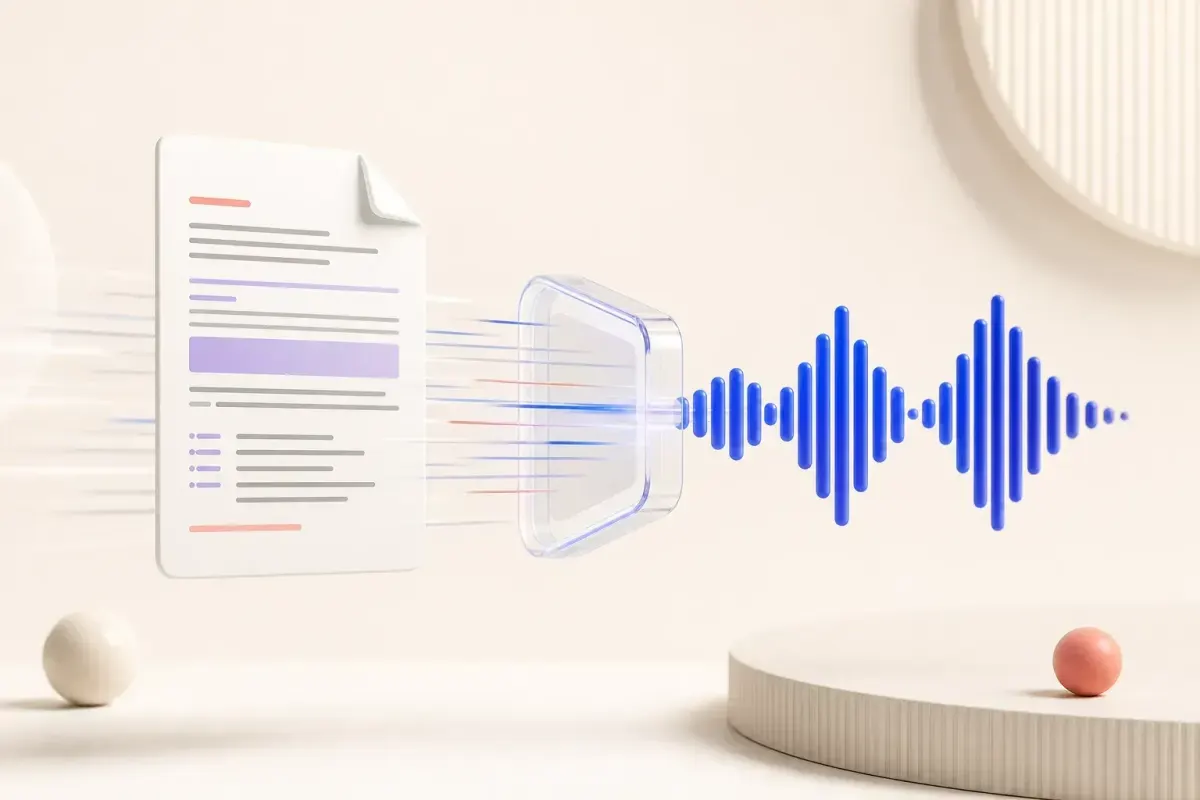 FormatPDF to MP3Notes, reports and papers as MP3: natural AI voices, page numbers dropped, one file or one per chapter.
 ComparisonFullCastBook vs SpeechifySpeechify's reader and Studio next to a full-cast audiobook maker: what each is for, files, commercial rights and cost.
 GenreNonfiction NarrationOne clear narrator for self-help, business and memoir, chapters from your headings, and a second voice only where it helps.
Make audiobooks for dyslexia from the texts that don't have one. Upload a reading and try a sample chapter free.