Jessica
English · Explainer
For learners and language teachers
Have the text but no audio? Turn graded readers you wrote, public-domain stories and class dialogues into language learning audiobooks, with a distinct voice for every speaker and a file for every chapter.
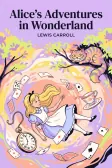
Lewis Carroll
Alice's Adventures in Wonderland
Alice asks the grinning Cheshire Cat for directions — and gets none.
The Cat only grinned when it saw Alice. It looked good-natured, she thought; still it had very long claws and a great many teeth, so she felt it ought to be treated with respect.
Step-by-step guide
From a text you can use to a chapter a day.
Language Learning Audiobooks
What you get, from manuscript to finished audiobook.
Use cases
Where authors and storytellers put it to work.
Clear narrators and character voices to audition. Demo performances; in the studio you cast from standard and premium voice lists.
English · Explainer
English · Narration
English · Narration
English · Narration
English · Narration
English · Narration
English · Narration
English · Narration
English · Creator
English · Narration
In depth
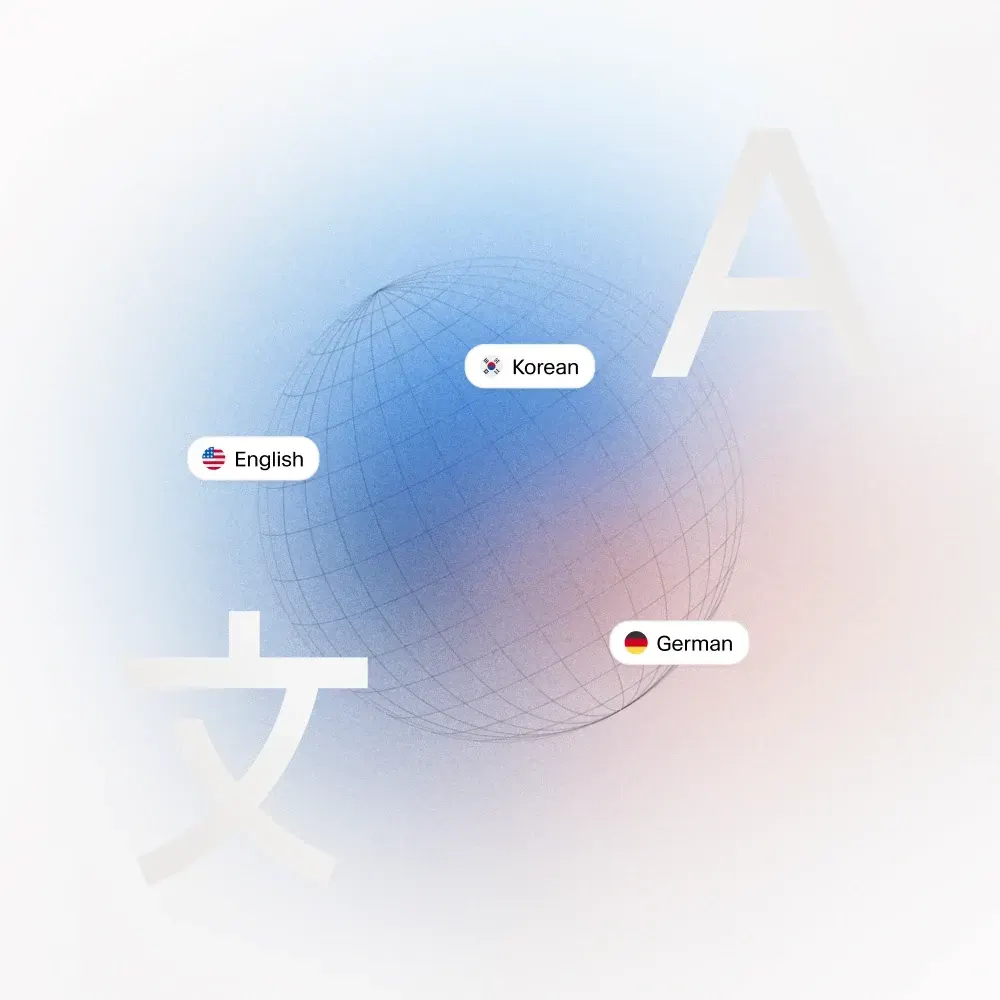
Plenty of the texts learners actually use have no recording: the graded reader a teacher wrote for one class, a public-domain novel in the language you're learning, a set of dialogues for next week's lesson. Language learning audiobooks fill that gap. You keep the text you chose and add a voice to it.
FullCastBook reads the text, detects its language, splits it into chapters and gives the narrator and every speaker a distinct voice. We won't promise results; how much listening helps depends on your level, the text and how you use it. What follows is how learners and teachers put audiobooks for language learning to work in practice.
Reading while listening is a simple routine: follow the printed text while the audio plays, so you see each word as you hear it. Many learners use it to match spelling to sound, to hear where a sentence breaks, and to keep going through a page they'd give up on alone. Afterwards, the same file works for listening on its own, on a walk or a commute, once the text is familiar.
Short is better. A chapter of ten or fifteen minutes is easier to repeat than an hour-long track, and repetition is where an audio file earns its keep. If the source text has long chapters, split them at section breaks in the import review before you generate. If print itself is the hard part rather than the language, see audiobooks for dyslexia.
You need the right to voice the text. Three sources are safe. Your own writing: a graded reader, a story or a dialogue you wrote. Public-domain works: Project Gutenberg offers books in many languages, so classics in French, German, Spanish and more are free to download; see the public domain audiobook maker. And texts whose owners allow it, such as openly licensed readers, under the terms of their licence.
Published graded reader series usually come with their own audio, so check for graded reader audio from the publisher before you make your own. Owning a copy of a book doesn't by itself give you the right to make and share an audio version, and files with DRM can't be uploaded.
The studio detects the language of your text automatically, and the voices read many languages. English works best today. For any other language, generate one short chapter and listen closely before you voice a whole book: pronunciation, names and the rhythm of the sentences are what to check. If you want to learn English with audiobooks, you're working in the strongest language.
Accent comes from the voice you choose. Audition a few for the narrator and pick the one you'd be happy to hear every day; for dialogues, choose voices that differ clearly in pitch or age so learners never have to guess who is speaking.
Dialogues are where a cast helps most, because the change of voice marks the change of speaker. Here is a short scene in Spanish, written for this page:
Narrator: En la estación, Lucía busca su tren.
Lucía: [slowly, clearly] “Perdone, ¿a qué hora sale el tren para Sevilla?”
Ticket clerk: “A las diez y cuarto, en el andén tres.”
Lucía: “¿Y el billete? ¿Lo puedo comprar aquí?”
Ticket clerk: [friendly] “Sí, claro. En esta misma ventanilla.”
Each role is detected and cast, and an unnamed speaker usually gets a short description such as “Ticket clerk”. Detection is AI-based, so check the speakers before you generate. For short dialogues without a book around them, multiple voices text to speech covers the same workflow.
Export one MP3 per chapter, or a ZIP of them, and you have a ready-made listening plan: one chapter a day, repeated until it's easy. An M4B with chapter markers suits learners who prefer an audiobook app.
There's no exact speed setting in the studio. A direction such as [slowly, clearly] asks a voice for a calmer delivery on the lines you choose, which suits new vocabulary or a tricky passage; for a precise speed, use your player's speed control on the finished file.
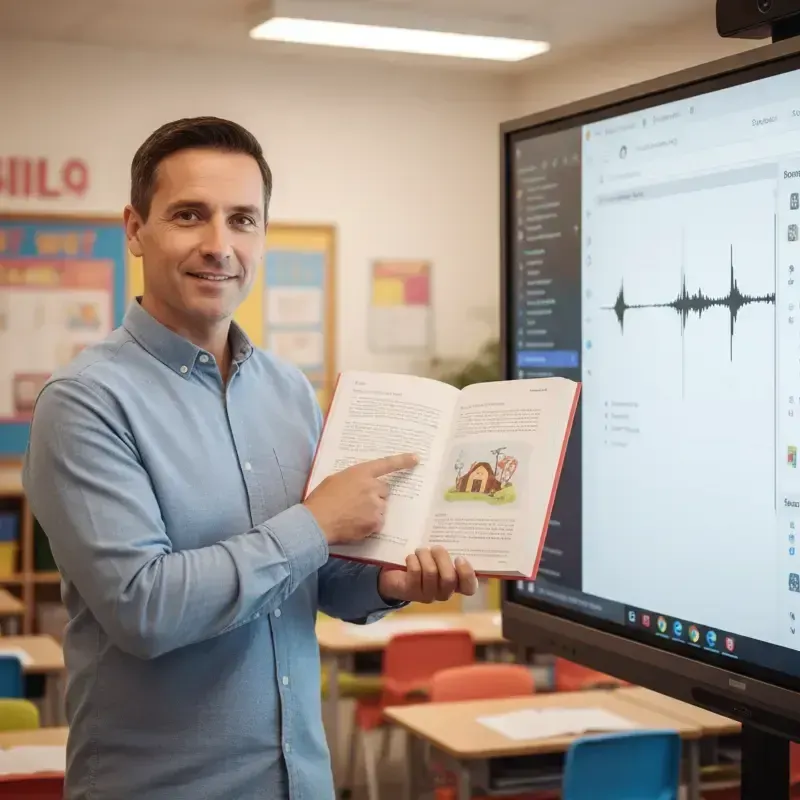
Teachers who write their own materials can voice them once and share the files with a class, a year group or a department. Credits are counted by the characters voiced, so a short reader costs little, and free credits on sign-up cover a short sample chapter; see the plans for a full set. Hear what a cast sounds like in the examples on the home page.
A bilingual audiobook can work, with care. Keep each language in its own paragraph rather than switching mid-sentence, and test a page before the whole book; we can't promise how every voice handles a change of language. If you want the translation in a different voice, add a cast member for it and move those lines across, one by one. English is the strongest language today; for others, a sample chapter is the honest test.
FAQ
Something not covered here? Email us at support@fullcastbook.com
Yes, from texts you have the right to use: your own readers and dialogues, public-domain books, or openly licensed texts. Upload or paste the text and each speaker gets a distinct voice.
Many. The language of the text is detected automatically, and English works best today. Generate one short chapter in your language and listen before you voice a whole book.
Owning a copy doesn't by itself give you the right to make and share an audio version. Most published graded readers come with official audio, so check that first; you can voice readers you wrote, public-domain texts and texts the publisher allows, from DRM-free files.
Often, but test it first. Keep each language in its own paragraph, generate a page and listen; we can't promise how every voice handles a change of language. You can also move the translation's lines to a second voice.
Not with an exact speed setting. A direction such as [slowly, clearly] asks for a calmer delivery on chosen lines, and the speed control in your audio or podcast app slows the whole file.
They're one useful kind of practice, especially when you can follow the text as you listen. How much they help depends on your level, the text and how often you listen, so we don't promise results.
Keep exploring
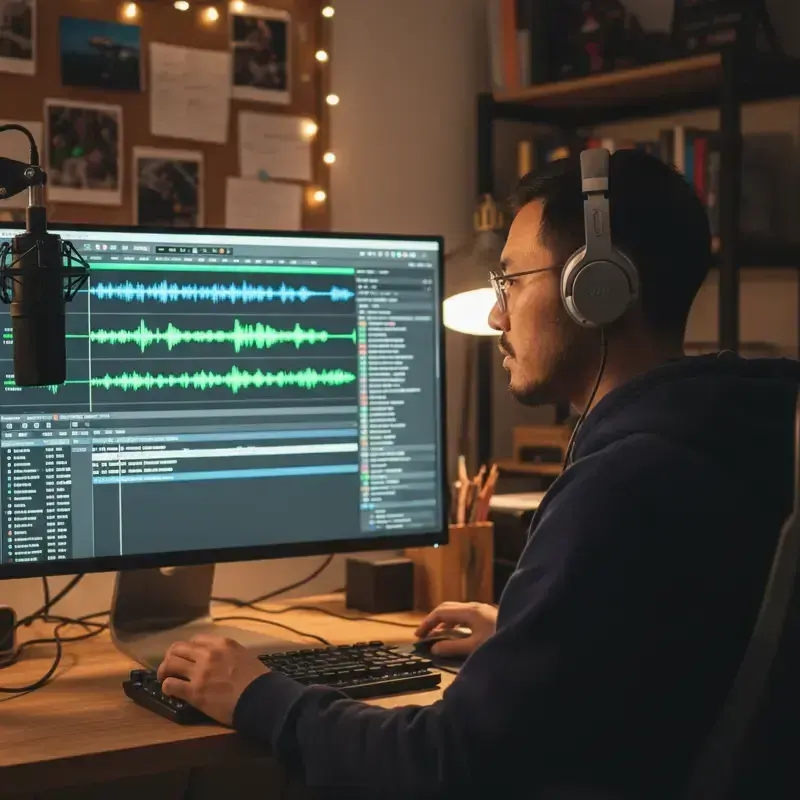 ToolMulti-Voice Text to SpeechPaste a dialogue, a script or a scene and hear every speaker in a different AI voice, then download one MP3.
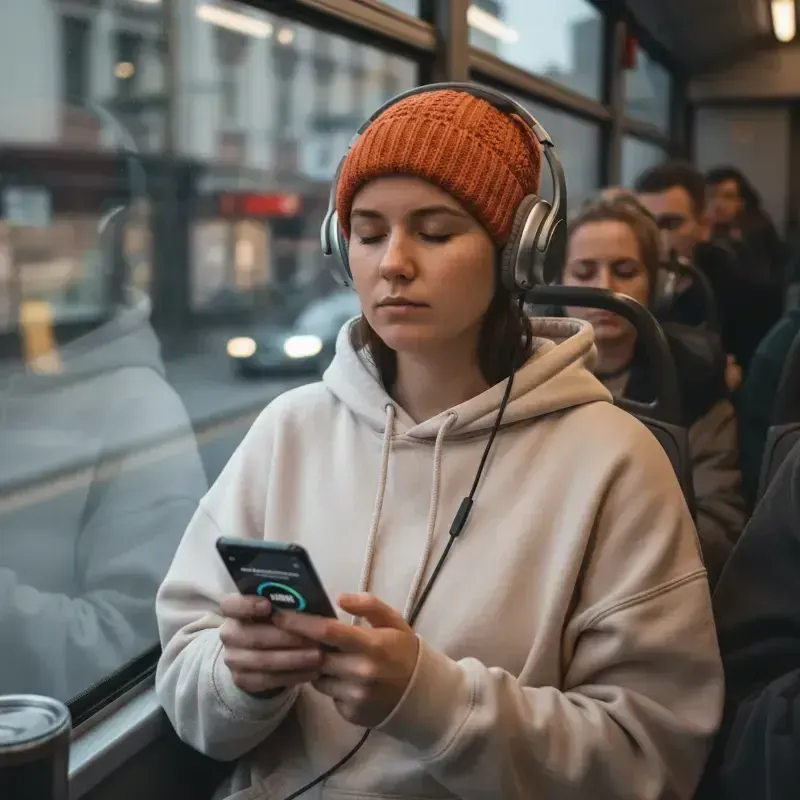 AudienceAudiobooks for DyslexiaTurn readings that have no audiobook into clear audio, with a distinct voice for each speaker and chapters you can jump to.
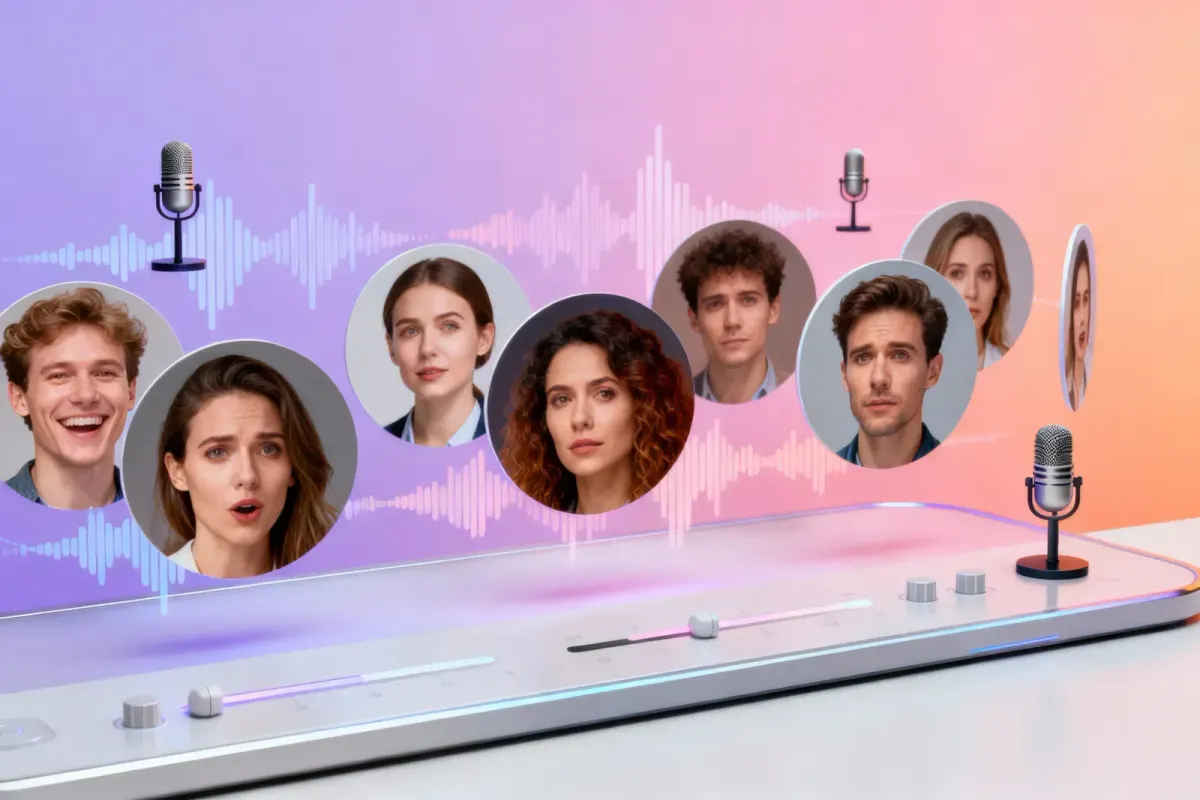 ToolPublic Domain Audiobook MakerTurn a classic from Project Gutenberg or Standard Ebooks into a full-cast audiobook, after checking its status where you publish.
 AudienceClassroom Read-Aloud AudioChapter-sized read-aloud files from texts you can use, with distinct voices so students follow the dialogue.
 ToolText to AudiobookPaste a story or upload a TXT file: narration and dialogue are split, every character gets a voice, MP3 or M4B out.
Upload a graded reader you wrote, a public-domain story or a class dialogue and make language learning audiobooks with a voice per speaker. Free to start.