Winston
English · Narration
Audiobook styles explained
One voice reading everything, or a voice for every character? Both work. Here is what each style does well, which genres suit which, and what changes when the voices are AI.
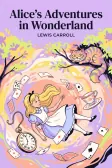
Lewis Carroll
Alice's Adventures in Wonderland
Alice asks the grinning Cheshire Cat for directions — and gets none.
The Cat only grinned when it saw Alice. It looked good-natured, she thought; still it had very long claws and a great many teeth, so she felt it ought to be treated with respect.
Side by side
The general trade-offs of each style, whoever performs it.
| Full cast | Single narrator | |
|---|---|---|
| Who voices the characters | A separate voice for each | One narrator does them all |
| Following fast dialogue | Easy: every speaker sounds different | Relies on tags and the narrator's range |
| One steady voice for hours | No | Yes |
| Intimate, first-person feel | Weaker | Stronger |
| Natural fit | Ensembles, banter, children's stories | Literary fiction, memoir, nonfiction |
| With human performers | Several actors to cast, direct and schedule | One narrator to hire |
| With AI voices | Credits follow the text, not the number of voices | Credits follow the text |
These are general trade-offs: a strong solo narrator can make dialogue very clear, and a careless cast can make it worse. Human rates vary by performer and country. See what an AI full cast costs for your word count.
Sources: ElevenLabs audiobooks (traditional cost) · Spoken (listener study summary) · ACX audio requirements
Step-by-step guide
One chapter, two versions, back to back.
Full Cast vs Single Narrator
The parts of a full cast that used to need a studio budget.
One steady narration voice and a few character voices that sound nothing alike. Demo performances; in the studio you cast from standard and premium voice lists.
English · Narration
English · Narration
English · Character
English · Character
English · Character
In depth
The full cast vs single narrator audiobook choice comes down to who carries the dialogue. In a single-narrator audiobook, one performer reads everything and suggests each character with small changes in pitch, pace and accent. In a full-cast audiobook, the narrator reads the prose and every speaking character gets a voice of their own.
Neither is better in general. A single narrator is the default for most audiobooks and suits intimate, first-person and nonfiction books. A full cast shines when many people talk at once. The rest of this page helps you decide for your book.
Take a short exchange: three people in a kitchen, arguing about who forgot to lock the door. A single narrator handles it with tags and tone. The listener hears "Mara said" and a slightly lower voice, then "Tom snapped" and a sharper one. Good narrators make this feel effortless, but in long runs without tags, listeners can lose track of who is speaking.
With a full cast, Mara, Tom and their grandmother each sound different from the first word, and the narrator only steps in for the description between lines. The demo at the top of this page plays a chapter this way. To hear your own scene, follow the steps above and make it both ways.
A single narrator usually suits literary fiction, memoir, first-person thrillers, romance told from one point of view, and almost all nonfiction. The narrator becomes the voice of the book, and listeners settle in with one companion for ten hours.
A full cast usually suits fantasy and LitRPG with big parties, ensemble science fiction, comedy built on banter, children's stories with many animal voices, and adaptations of plays or scripts. Romance with two alternating narrators, often called a duet, sits in between. A rule of thumb: the more of the page sits inside quotation marks, the more a cast helps. For big ensembles, see how a multi-voice audiobook is cast.
Dramatized audiobooks go a step further than a full cast. They add sound effects and music, and sometimes rework the narration into scenes, closer to a radio play. A regular audiobook is a straight reading of the text, whether by one narrator or several.
FullCastBook sits between the two. It voices the full text with a narrator and a cast and supports vocal sound tags like [laugh], [sigh] and [breathe], but it doesn't add music or sound-effect beds. If you want a sound-designed drama, plan an editing pass in an audio editor afterwards.
Independent research is thin. The figures most often quoted come from a survey of 1,005 US fiction audiobook listeners by Edison Research at SSRS, fielded in May 2026 and published by Spoken, a company that sells AI full-cast narration. As Spoken reports it, its AI full cast scored 61% favorability against 53% for professional human narration, and 66% against 60% on perceived quality, for character-driven fiction.
Treat that as one vendor-published data point, not a verdict. It compared an AI cast with human narration, so it mixes two questions: full cast against a single voice, and AI against a person. Your own readers' taste matters more than any average, so a sample chapter is the better test. The AI side of the question has its own page: AI vs human audiobook narrator.
With people, cost follows the performers. Narration is usually quoted per finished hour; ElevenLabs' audiobooks page, for one, compares AI with a traditional $500 to $1,000 per finished hour. A full cast adds more performers to cast, direct, schedule and edit, which is why human full-cast productions are mostly kept for big releases.
With AI voices, the cast becomes a casting decision instead of a budget line. FullCastBook counts credits by the characters voiced, so for the same text at the same voice tier, a full cast costs the same as one voice. Premium voices cost more per character than standard ones, and regenerating a chapter uses credits again. The audiobook cost calculator turns your word count into credits.
To settle single narrator vs full cast, count the dialogue. Pick a typical chapter, not the most dramatic one, and ask three questions: how many characters speak, how often lines run without tags, and whether the book is told in a close first-person voice. Lots of speakers and untagged back-and-forth point to a full cast; one intimate voice points to a single narrator.
Then listen. Make the chapter both ways, play the two versions back to back, and ask someone who hasn't read the book which one they follow more easily. More examples are in the examples section of our home page, or you can start in the AI audiobook generator.
FAQ
Something not covered here? Email us at support@fullcastbook.com
A full-cast audiobook gives each speaking character their own voice, usually with a separate narrator for the prose. In a single-narrator audiobook, one voice reads everything.
Some do. A May 2026 Edison Research survey of 1,005 US fiction listeners, published by AI audiobook company Spoken, reported 61% favorability for its AI full cast against 53% for professional human narration. It's one vendor-published study, so test a sample with your own readers.
Not quite. Dramatized audiobooks add sound effects and music, like a radio play. Full cast means a voice per character, with or without sound design. FullCastBook makes full-cast narration without music or effect beds.
Dialogue-heavy ensemble stories: fantasy and LitRPG parties, ensemble science fiction, comedy and children's books. Memoir, nonfiction and close first-person novels usually suit a single narrator.
With human performers, usually yes, because every extra actor is booked and paid. With FullCastBook, credits follow the text voiced, so the same text at the same voice tier costs the same either way.
Yes. Generate the full cast, then give every character the narrator's voice and generate again for a single-voice edition. Each generation uses credits.
Keep exploring
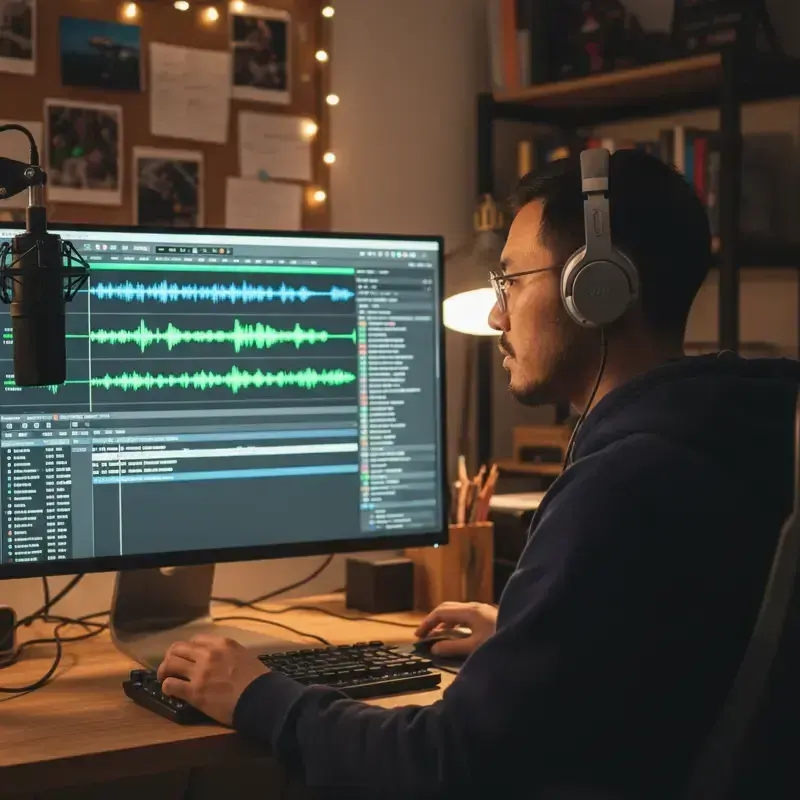 GuideHow to do character voicesFive levers narrators use, a character bible for consistency, and how it all maps to an AI cast.
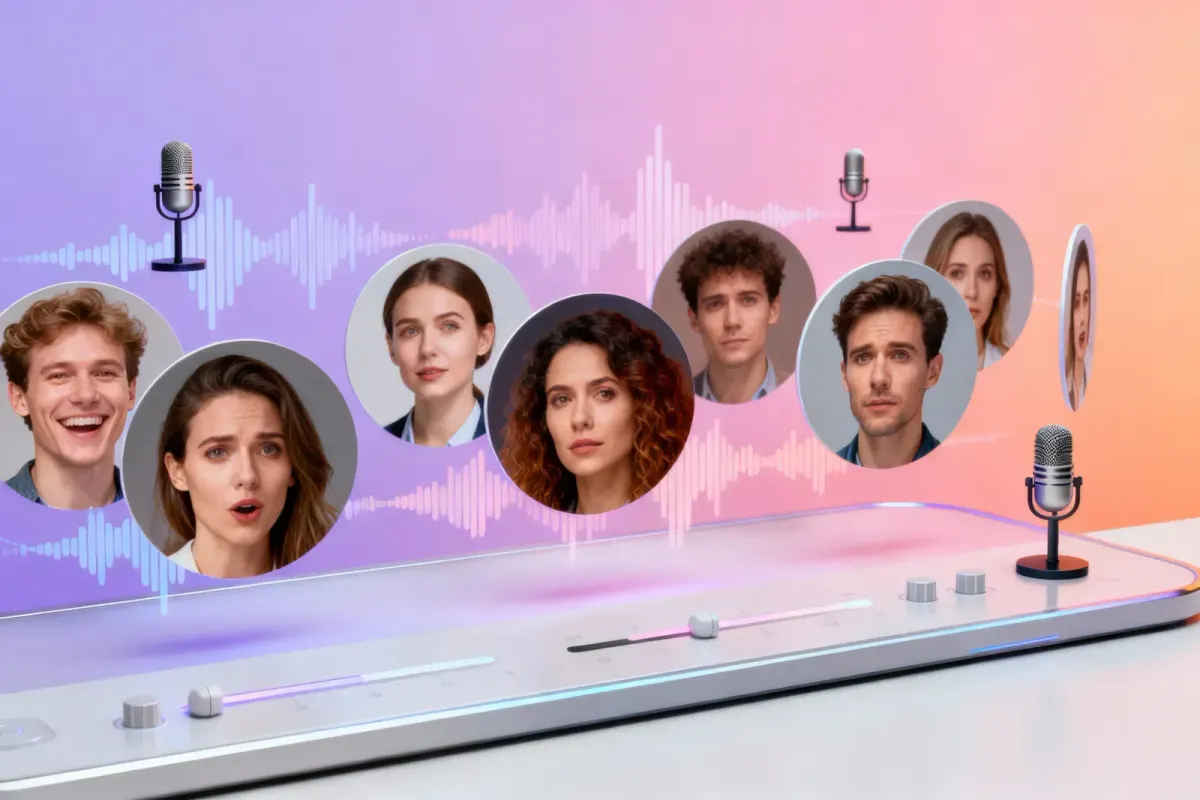 ComparisonAI vs human narratorQuality, cost, turnaround and store rules, and the cases where a human narrator is still the better choice.
 GenreAI Audio Drama GeneratorTurn a story or a script into a performed drama: a voice per role, directions in brackets, one file per episode.
 GenreFantasy Audiobook NarrationCast a narrator, heroes, villains and creatures from your manuscript, fix invented names and keep the cast for the sequel.
 GenreRomance Audiobook NarrationGive both leads their own voice: dual narration by POV chapter or duet narration in every scene, cast and directed by you.
 ComparisonFullCastBook vs Google Play Auto-NarrationGoogle's free auto-narration next to a full-cast audiobook that needs no Play listing: casting, languages, files and the rules for selling elsewhere.
Upload a chapter, generate it with a full cast and with one narrator, and choose. Free to start, no card.