Ronald
English · Narration
For science fiction authors
Sci-fi audiobook narration that gives the captain, the crew, the alien envoy and the ship's AI each a voice, with a steady narrator for the technical passages. Fix every invented name before you export.

Lewis Carroll
Alice's Adventures in Wonderland
Alice asks the grinning Cheshire Cat for directions — and gets none.
The Cat only grinned when it saw Alice. It looked good-natured, she thought; still it had very long claws and a great many teeth, so she felt it ought to be treated with respect.
Step-by-step guide
From manuscript to a chaptered audiobook with a full crew. Free to start, no card needed.
Sci-Fi Narration
The parts of the studio that do the most work in sci-fi audiobook narration.
Use cases
Subgenres where distinct voices do the most work.
Sci-fi audiobook narration examples: a steady narrator, a captain, a crew and a ship. Demo performances; in the studio you cast from standard and premium voice lists.
English · Narration
English · Narration
English · Narration
English · Narration
English · Narration
English · Narration
English · Narration
English · Narration
English · Narration
English · Creator
In depth
Sci-fi audiobook narration has two jobs that pull in different directions. The story needs a cast: captains, engineers, aliens, machines. The world-building needs a narrator calm enough to carry orbital mechanics and invented history without sounding like a lecture. Good science fiction audio does both.
FullCastBook builds the cast from your manuscript, with a distinct voice for each speaking character plus a narrator, and lets you direct and fix every line before you export. Hear what a full cast sounds like in the examples on the home page.
In sci-fi audiobook narration, start with the characters who share the most scenes. A bridge crew talks in short, overlapping lines, so their voices need clear contrast in age, accent and pitch. Give the captain natural authority, the engineer something brisker and the newest recruit something younger, and keep the narrator neutral so the crew stands out against it.
Science fiction audiobook voices should still sound like people, even a thousand years from now. Listen to the crew together in one busy scene before you commit; if two officers blur, swap one voice. Comms chatter and ship-wide announcements often come without a dialogue tag, so check who speaks them.
The ship's AI is the classic character that needs a decision. FullCastBook doesn't add robotic effects, so in sci-fi audiobook narration the AI is a casting and direction choice: a precise, even voice directed with [even, precise, no emotion], or [warm, helpful, a little too helpful] for an AI the reader shouldn't trust. If you want a processed, metallic timbre, add it in an audio editor after export.
Aliens work the same way. Pick a voice that contrasts with the human crew, slow it down with a direction such as [slow, choosing each human word carefully], and keep it consistent across chapters. If an alien speaks through an interpreter, cast both, so the listener hears the alien line and then the translation.
Exposition reads best when the narrator underplays it, so leave directions out of technical passages and let the sentence rhythm do the work. Write numbers and units the way they should be spoken: "three point two kilometers a second" is easier to follow by ear than a string of digits and symbols.
Invented words are the other trap. A name like Kharenith or an acronym like FTL-COM can be read several ways. Listen to the first chapter where each term appears; if one comes out wrong, respell it phonetically in the text, for example Kah-REN-ith, and regenerate that line. Keep a list of respellings so later chapters match.
Space opera runs long and comes in series, and listeners notice when a voice changes between books. A sci-fi audiobook with full cast is only as good as its continuity, so keep the cast for the whole series: the captain, the ship and the recurring villain sound the same in book four as in book one.
Long books need a budget. A 100,000-word novel runs about 10 hours 45 minutes at a common pace of 155 words a minute, so check the audiobook cost calculator before you commit to a trilogy. If your universe leans toward swords and sorcery, fantasy audiobook narration covers big casts and invented names there, and game-style stats and system messages are covered in LitRPG audiobooks.
Here is a short bridge scene as it might look in the studio once the speakers are assigned, directions included:
Narrator: The proximity alarm cut off mid-tone. Nobody on the bridge moved.
Captain Reyes: [low, controlled] "Ship, what just happened?"
ARGO, the ship's AI: [even, precise, no emotion] "I silenced the alarm, Captain. The object is no longer approaching."
Ensign Okafor: [whisper] "Then where is it?"
ARGO: [a beat too warm] "Directly behind us."
Four voices, three kinds of direction and one held breath before the last line: that is most of what good sci-fi audiobook narration needs.
Yes. Cast a voice that contrasts with the human crew and shape it with direction, such as [slow, choosing each human word carefully]. FullCastBook doesn't add creature or vocoder effects, so add those in an audio editor after export if you want them.
Listen to the first chapter where each term appears. If a name or acronym is misread, respell it phonetically in the text, regenerate that line, and keep a list so every chapter matches.
Yes. The AI is a character like any other: it gets its own voice from the library and keeps it for the whole book, and for the series if you reuse the cast.
At a common narration pace of about 155 words a minute, a 100,000-word novel runs roughly 10 hours 45 minutes, and long space operas run well past that. Enter your word count in the audiobook cost calculator for running time and credits.
It helps most in ensemble books, where crews, factions, AIs and aliens share scenes. A tight first-person story can work with one narrator plus a few character voices. Try both on one chapter and keep whichever sounds clearer.
A clear, even voice that won't tire the ear over many hours, closer to a calm documentary narrator than a movie trailer. Save the more distinctive science fiction audiobook voices for the crew and the AI.
Keep exploring
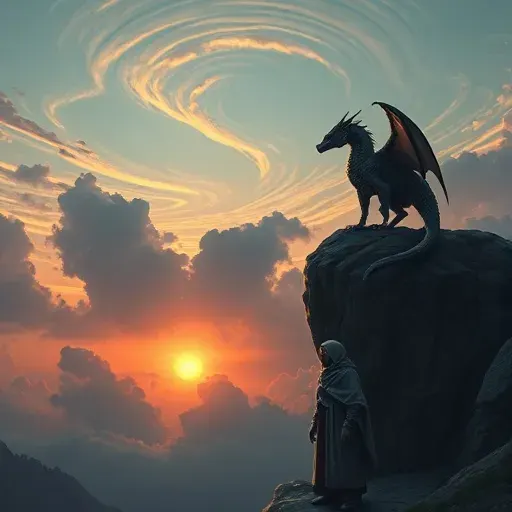 GenreFantasy Audiobook NarrationCast a narrator, heroes, villains and creatures from your manuscript, fix invented names and keep the cast for the sequel.
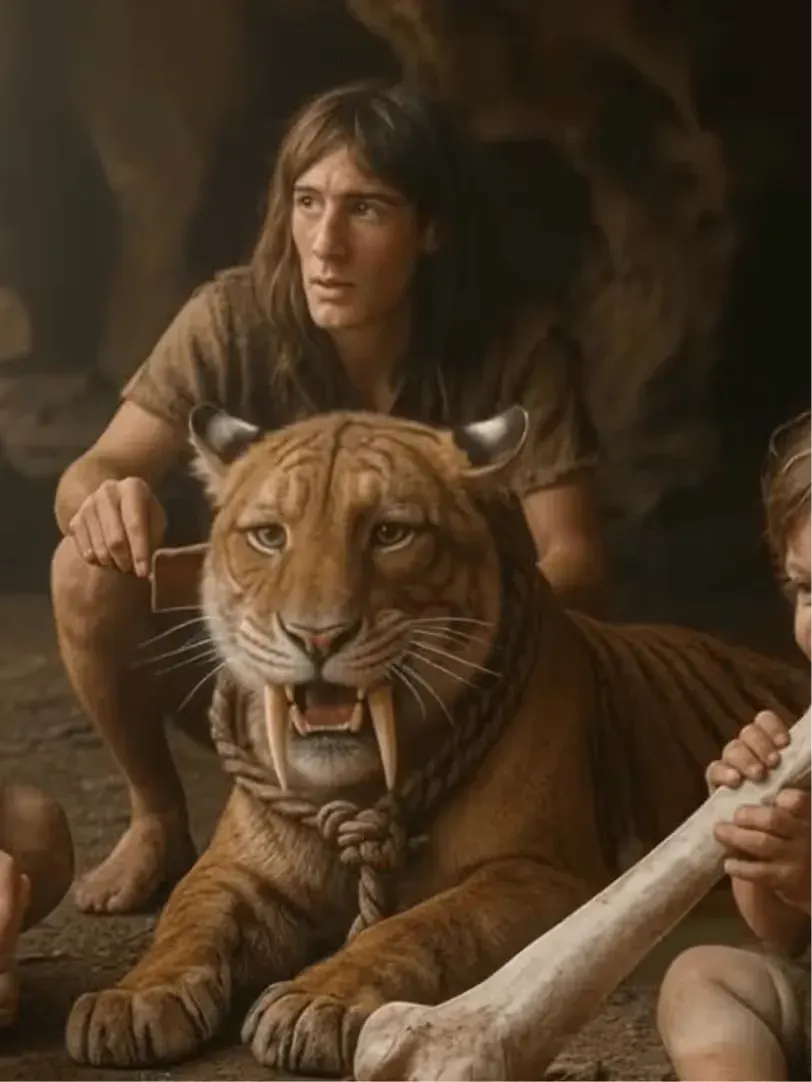 GenreLitRPG AudiobookA voice for the System, the party and the boss, plus a plan for stat screens and serial chapters.
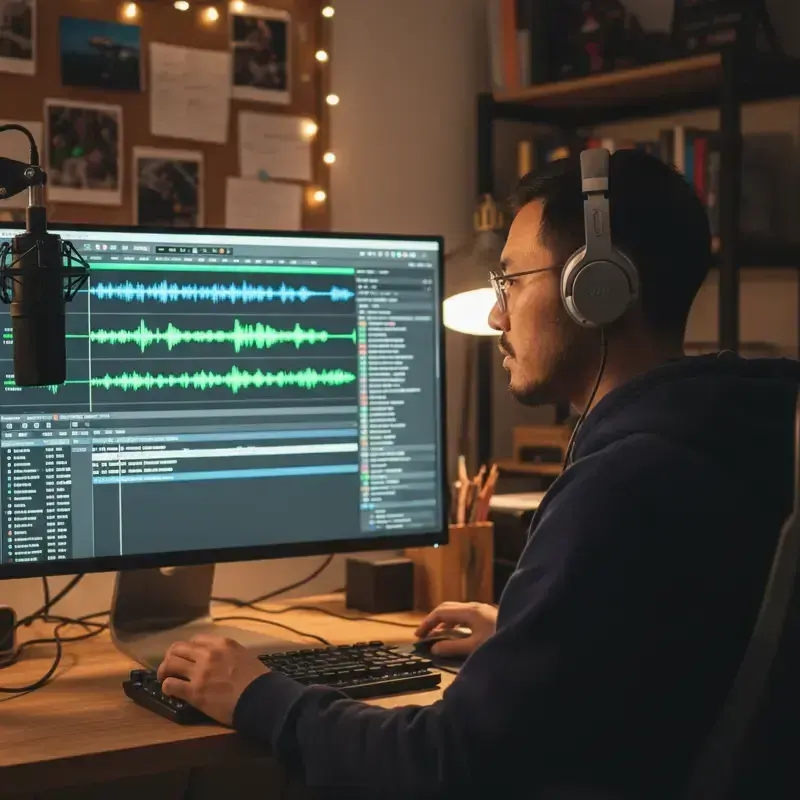 GuideAudiobook pronunciation guideGet every name right with AI voices: a name list, phonetic respelling, and one-line fixes.
 GenreThriller & Mystery NarrationPace a thriller or mystery for the ear: a controlled narrator, suspects listeners can tell apart, reveals that land.
 GenreAI Audio Drama GeneratorTurn a story or a script into a performed drama: a voice per role, directions in brackets, one file per episode.ToolMulti-Voice AudiobookGive the narrator and every speaking character a distinct AI voice, detected straight from your manuscript.
Upload your sci-fi novel, cast the crew, the aliens and the ship, and export every chapter. Free to start.