Darlene
English · Narration
For parents, grandparents and storytellers
AI bedtime stories from the tales you already have: paste a story you wrote or a public-domain fairy tale, and hear it read by a soft narrator with calm character voices.

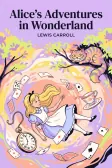
Lewis Carroll
Alice's Adventures in Wonderland
Alice asks the grinning Cheshire Cat for directions — and gets none.
The Cat only grinned when it saw Alice. It looked good-natured, she thought; still it had very long claws and a great many teeth, so she felt it ought to be treated with respect.
Step-by-step guide
From a story you love to a calm MP3. Free to start, no card needed.
AI Bedtime Stories
What makes AI bedtime stories calm enough for the last few minutes of the day.
Use cases
The tales families come back to.
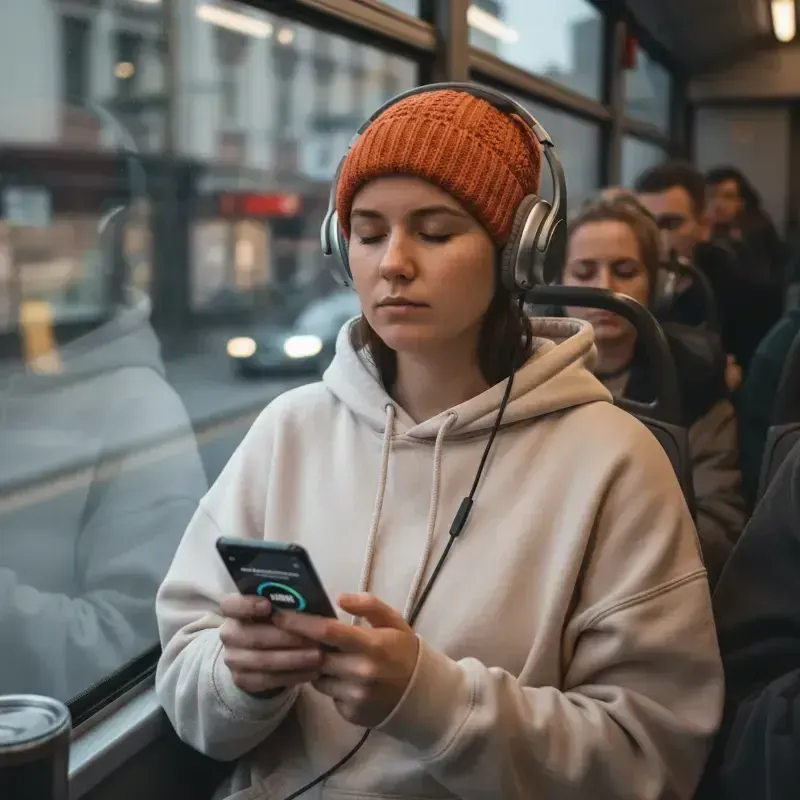

Example performances of soft narrators and kind character voices for AI bedtime stories. Play them at low volume; in the studio you cast from standard and premium voice lists.
English · Narration
English · Narration
English · Narration
English · Narration
English · Narration
English · Narration
English · Narration
English · Narration
English · Narration
English · Narration
In depth
Most AI bedtime stories online are written by a chatbot. This page is about the other half: you bring the story, and FullCastBook reads it aloud in a calm voice, with gentle voices for the characters. The tale you invented last winter, a fairy tale from the public domain, a story a grandparent used to tell, turned into audio you can play every night.
Paste the text, pick a soft narrator, give each character a quiet voice of their own and download an MP3. Nothing is invented for you, so the story your child hears is exactly the one you chose. For a longer project, like a whole chapter book, see children's audiobook narration.
Start with the text. A story that works aloud has short sentences, a few repeated phrases and not too many characters. If you made the story up, write it the way you tell it, pauses included, then paste it into the studio or upload a DOCX or TXT file.
FullCastBook works out who speaks each line and builds a small cast: the narrator plus the fox, the moon or the brave little boat. You can change any line's speaker or any character's voice before you generate. Short AI bedtime stories are quick to produce, so it's easy to try two or three narrators and keep the one your child likes best.
For sleep, choose warmth over sparkle. A narrator with a soft, even voice is easier to drift off to than an excitable one. Try each candidate voice on a page of your story at low volume, the way it will be heard at bedtime, and skip any voice that starts its lines sharply.
A bedtime story with voices is more fun to follow, but keep the characters gentle too: a bear can have a slow, kind growl rather than a roar. Give the main character a voice your child will recognize, and keep the rest of the cast close to the narrator's calm. For fairy tales, a warm, older storyteller's voice makes a good grandfatherly or grandmotherly narrator.
Bedtime pacing is slower than everyday reading. Direct it in brackets at the start of a scene, for example [softly, slowly, like the room is getting dark], and use the [breathe] tag between paragraphs to leave space. On the last few lines, a direction such as [whisper, sleepy] helps the story wind down. Leave out lively tags like [laugh] near the end.
Keep sessions short. Five to fifteen minutes suits most bedtimes, which is roughly 600 to 1,800 words at a slow pace of about 120 words a minute. For a longer story, split it into chapters and play one a night; export one file per chapter so each night starts in the right place.
Some of the best bedtime stories are ones only your family knows: how the dog got its name, the trip grandad still talks about, a story written for a birthday. Typing one up and giving it a gentle voice makes it something to keep, and to replay long after your child has outgrown it.
Nothing replaces the nights you read bedtime stories aloud yourself. A recording is for the other nights: when you're away, when it's the third "one more time", or when a grandparent who lives far away wants to send a story of their own.
Download each story as an MP3 and play it from a phone, tablet or speaker at a low volume. It's audio only, so the lights and screens can stay off. Keep a short playlist of favorites; children often ask for the same story again, and the voices sound the same every time.
Use stories you wrote or that are in the public domain. A published picture book belongs to its author and publisher, so don't upload one without permission. Credits are counted by characters voiced, so short stories use few of them; you get free credits on sign-up with no card, and the plans cover a bigger library. For other kinds of spoken stories, see AI voice for storytelling or the AI audiobook generator.
Yes. To read bedtime stories aloud with AI, paste the story or upload a DOCX or TXT file, pick a calm narrator and gentle character voices, and FullCastBook reads it aloud. Download the result as an MP3 to play at bedtime.
No. FullCastBook narrates AI bedtime stories from text you provide, such as your own stories, family tales or public-domain classics. Every word your child hears is one you chose.
Five to fifteen minutes suits most bedtimes, roughly 600 to 1,800 words read slowly. Longer stories work better split into chapters, one per night.
Yes. Download each story as an MP3, or as one file per chapter for longer stories, and play it offline on any device.
Pick a soft narrator, keep the character voices gentle and direct the delivery with notes like [softly, slowly]. Skip lively tags such as [laugh] near the end, and listen once at bedtime volume before you play it for your child.
Only with the rights holder's permission. Published books belong to their authors and publishers. Stories you wrote and public-domain fairy tales and fables are fine to use.
Keep exploring
 GenreChildren's Audiobook NarrationA warm narrator, character voices kids can tell apart and a bedtime pace, for picture books, chapter books and your own stories.
 AudienceAI Voice for StorytellingA narrator plus a voice for every character, for story channels, fiction podcasts, classrooms and game nights.
 AudienceClassroom Read-Aloud AudioChapter-sized read-aloud files from texts you can use, with distinct voices so students follow the dialogue.
 ToolText to AudiobookPaste a story or upload a TXT file: narration and dialogue are split, every character gets a voice, MP3 or M4B out.
 ToolPublic Domain Audiobook MakerTurn a classic from Project Gutenberg or Standard Ebooks into a full-cast audiobook, after checking its status where you publish.
Paste a story, choose a calm narrator and download the MP3. Free to start.