Aldric
English · Narration
For serial and web-fiction authors
Web novel to audiobook the way you publish: one chapter at a time. FullCastBook detects every speaker, keeps the same cast as the story grows, and exports MP3 per chapter or M4B volumes.
my-story.txt
Web novel
Reading your file…
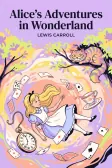
Lewis Carroll
Alice's Adventures in Wonderland
Alice asks the grinning Cheshire Cat for directions — and gets none.
The Cat only grinned when it saw Alice. It looked good-natured, she thought; still it had very long claws and a great many teeth, so she felt it ought to be treated with respect.
Step-by-step guide
Set the cast once, then voice each chapter as you publish it.
Web Novel to Audiobook
Built for serials that keep growing, not books that are already finished.
Use cases
Where authors and storytellers put it to work.
Example narrators for long serials, plus character voices for heroes, rivals and villains. Demo performances; in the studio you cast from standard and premium voice lists.
English · Narration
English · Narration
English · Narration
English · Character
English · Narration
English · Narration
English · Narration
English · Character
English · Character
English · Narration
In depth
Turning a web novel into an audiobook is a different job from narrating a finished book. A serial never quite finishes: chapters go up on a schedule, the cast keeps growing, and readers expect the next one on time. Web novel to audiobook in FullCastBook follows that rhythm. You voice each chapter as you publish it, and the narrator, the protagonist and every returning character keep the same voices from chapter one to chapter five hundred.
It works for any long-form serial you wrote: progression fantasy and LitRPG on Royal Road, light novel-style originals, romance and drama on Wattpad, or a story you publish on your own site and Patreon. Upload what you have so far, check the cast, and generate chapter by chapter.
Start one project for the serial and upload the chapters already out. FullCastBook finds the chapter breaks, works out who says each line and hands you a cast list: narrator, protagonist, party members, rivals, the shopkeeper who appears twice.
When the next chapter is ready, add it to the same project. Its lines are attributed against the cast you already set, so returning characters sound the way they did last month, and only new arrivals need a voice. Generate that chapter, listen through it in the browser, regenerate any line that lands wrong, and export it.
Credits are counted by the characters voiced, so taking a web novel to audiobook week by week uses a chapter's worth of credits at a time, not a book's. Put a typical chapter's word count into the audiobook cost calculator to see what a month of releases needs, then compare the plans.
Light novels, and the web novels they inspire, have habits that print handles well and audio needs a decision on. Honorifics such as -san, -sama and senpai are read as written. If a voice stresses one oddly, edit the spelling in that line and regenerate it. There's no pronunciation dictionary yet, so for a name that recurs, settle its spelling in your source text before you add the next chapter.
Sound words, like a door's bang or a heartbeat's ba-dump, can stay or go; read aloud, they often work better as a short line of description. Inner monologue, usually printed in italics, loses its italics in audio, so decide whether those lines belong to the narrator or to the point-of-view character, and set them once in the studio.
Game-style system messages and status screens are a genre of their own. Give the system its own voice in the cast, keep long stat blocks short for the ear, and see the LitRPG audiobook guide for the rest.
Most readers who want to listen to a serial today use webnovel text to speech: a phone or browser read-aloud that reads whatever is on screen. It is free and instant. It also reads every character, scene break and author's note in the same voice, and every listener hears the same mispronunciations on their own device.
A produced web novel audiobook is made once, by the author. Dialogue is voiced by the character who speaks it, direction like [whisper, like sharing a secret] or a [sigh] lands where you put it, and mistakes are fixed before anyone hears them. What you get is a set of audio files you can post, sell or give to patrons, with chapter markers when you export a volume as M4B.
Royal Road is built around text chapters, and readers searching for Royal Road text to speech are usually looking for a way to listen. If you write there, you can offer that yourself: voice each chapter and point readers to the audio from your author's note.
Many serial authors already post advance chapters on Patreon, and a web novel audiobook fits the same model. Post each chapter's MP3 to the tiers you choose; Patreon's members-only audio RSS feed lets patrons listen in a supported podcast app. When an arc or a volume ends, export it as one M4B with chapter markers for readers who prefer to binge.
If you have licensed, or plan to license, audio rights to a publisher, check what your contract says about audio you produce yourself before you post it.
FullCastBook is for stories you wrote or have the rights to. A serial that's free to read still belongs to its author, and an audiobook is an adaptation that needs their permission; if you're a reader, ask the author, or buy the licensed audiobook if one exists. Audiobook rights explains who holds what.
For your own work, the exported files are yours to use, commercially too, under our terms. Stores set their own rules on AI narration: Spotify for Authors accepts digital-voice narration when you label it, while ACX, which supplies Audible, doesn't currently accept AI narration unless authorized. For how fan writers handle shared characters, see fanfiction to audiobook, or browse more examples.
Yes, if you wrote it or hold its audio rights. Web novel to audiobook in FullCastBook works from the chapters you upload or paste: it finds the chapters and speakers, you cast the voices, and you export MP3 per chapter or an M4B with chapter markers.
Yes, that's how web novel to audiobook works in FullCastBook. Add new chapters to the same project and their lines are matched to the cast you already set, so returning characters keep their voices. Only new characters need casting.
Only with the author's permission. A serial that is free to read is still under copyright, and an audio version is an adaptation. Ask the author, or check whether a licensed audiobook already exists.
Export each chapter as an MP3 and add it to a Patreon audio post; Patreon's members-only audio RSS feed lets patrons listen in a supported podcast app. For Royal Road readers, mention the audio version in your author's note and link to where it lives.
Honorifics such as -san, -sama and senpai are read as written, which suits most light novel audiobook styles. If one sounds wrong, edit the spelling in that line and regenerate it. There's no pronunciation dictionary yet, so settling recurring names in your source text works best.
It depends on chapter length and on whether you cast standard or premium voices, because credits are counted by the characters voiced. Put a chapter's word count into the audiobook cost calculator to see the credits and which plan covers a month of releases. Regenerating a line uses credits again.
Keep exploring
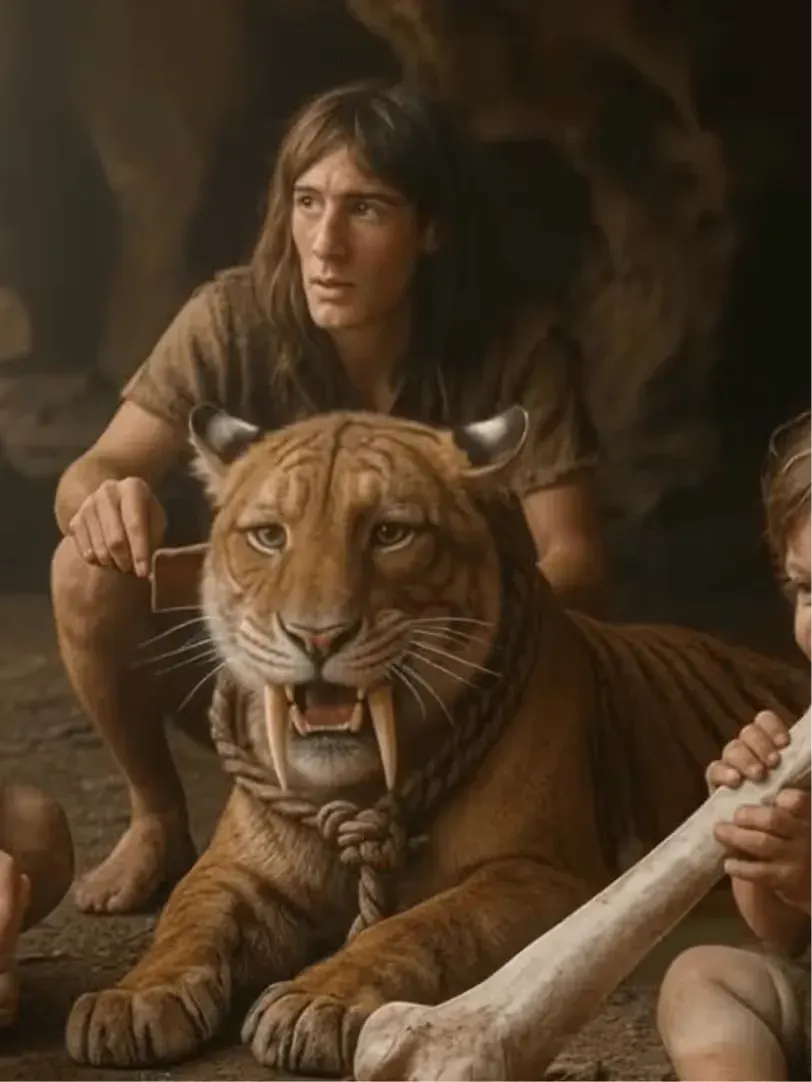 GenreLitRPG AudiobookA voice for the System, the party and the boss, plus a plan for stat screens and serial chapters.
 GenreXianxia AudiobookElders, rivals and senior brothers with voices of their own, and pinyin names said one way for 1,000 chapters.FormatTXT to MP3Turn a long .txt file into MP3s: chapters split at the headings, a narrator plus a voice per character.
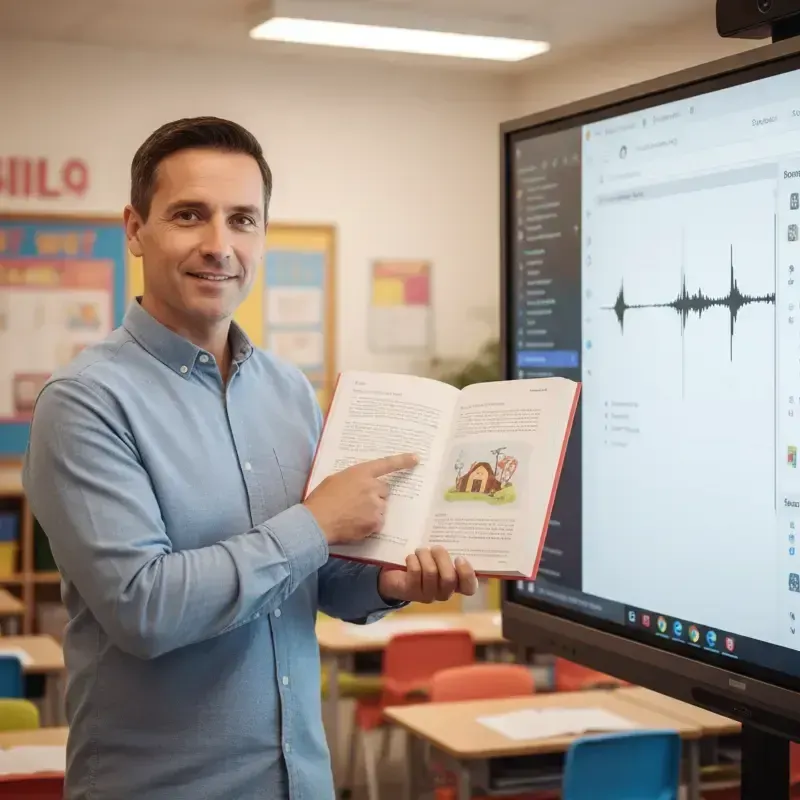 AudienceFanfiction to AudiobookHear your fic with a different voice for every character, from a pasted chapter or a whole EPUB.
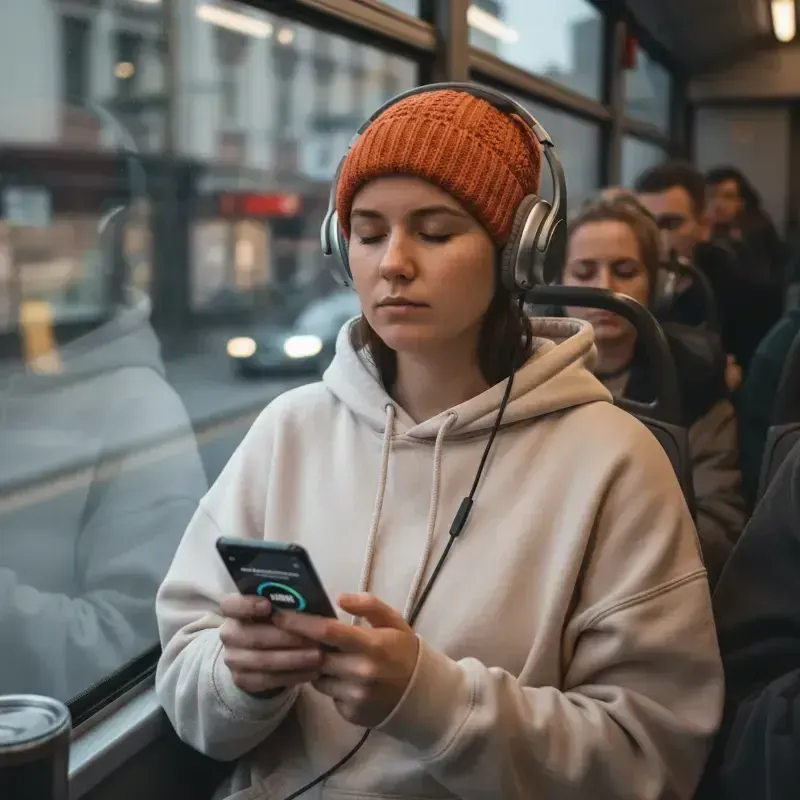 AudienceWattpad to AudiobookTurn your Wattpad story into full-cast audio, part by part, and share it with your readers.
 GuidePublish an audiobook on XimalayaCreator Center upload, file formats, copyright, AI-voice labelling and creator revenue, checked October 2026.
Take your web novel to audiobook one chapter at a time: upload what you've published, set the voices once and add each new chapter as it drops. Free to start.