Aldric
English · Narration
Epic, cozy and grimdark
A steady narrator for the long road, and distinct voices for heroes, villains and creatures. FullCastBook finds every speaker in your manuscript; you cast them, fix the names and keep them for the sequel.

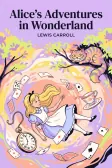
Lewis Carroll
Alice's Adventures in Wonderland
Alice asks the grinning Cheshire Cat for directions — and gets none.
The Cat only grinned when it saw Alice. It looked good-natured, she thought; still it had very long claws and a great many teeth, so she felt it ought to be treated with respect.
Step-by-step guide
From manuscript to a cast that lasts the whole series. Free to start, nothing to install.
Fantasy Audiobook Narration
What you get, from manuscript to finished audiobook.
Use cases
Where authors and storytellers put it to work.

Side by side
Two good ways to voice a fantasy novel, with different strengths.
| FullCastBook full cast | One human narrator | |
|---|---|---|
| Voices for a big ensemble | One per character | One performer shifting voice |
| Invented names | Respelled once in your text | The narrator's pronunciation guide |
| Creatures and monsters | Cast like any character; effects in your editor | Performed by the narrator |
| Same voices for book two | Saved with the project | Depends on the narrator's schedule |
| Interpretation | Follows the directions you write | A skilled actor's own reading |
| How it is priced | Credits per character voiced | Usually per finished hour |
| Accepted by Audible (ACX) | No | Yes |
ACX's audio submission requirements, updated April 15, 2026, say narration must be human unless otherwise authorized. Check each store's policy before you publish.
Sources: ACX audio submission requirements
Storyteller narrators, a queen and a lord, a sorceress, a brute and things from the deep. Demo performances; in the studio you cast from standard and premium voice lists.
English · Narration
English · Narration
English · Narration
English · Narration
English · Narration
English · Narration
English · Narration
English · Narration
English · Narration
English · Character
In depth
Fantasy audiobook narration asks a lot of one voice. A single book can hold a dozen viewpoint characters, a council of kings, a band of mercenaries and a dragon, and one narrator has to keep every one of them recognizable for twenty hours or more. It's no accident that “full cast” is a phrase fantasy listeners search for.
FullCastBook gives each speaking character a voice of their own and keeps a narrator for the prose, so a war council sounds like a room full of people. It reads your manuscript, finds the chapters and the speakers, and leaves the casting, the names and the direction to you. Want to hear what one direction note does to a line first? The home page plays the same line flat and directed.
Start with the fantasy audiobook narrator, because that voice carries most of the running time. Choose warmth and stamina over drama. A steady, warm storyteller suits most epics, an older, wizardly voice suits a book told like a legend, and a gravelly, weathered voice sets a grimdark tone from the first line.
Then cast in tiers. The main party needs the most contrast in age, pitch and accent, so no two leads blur together mid-battle. Rulers need weight: a regal, measured voice for a queen, a languid, sharp-tongued one for a lord. Villains get the most distinctive voices you have, like a cold, silky voice for a sorceress or a rough, gravelly one for a brute who enjoys his work. Creatures come last: pick the deepest or strangest voice in the studio's lists, direct it [slow, ancient, rumbling], and add reverb or pitch effects in your audio editor if it shouldn't sound human.
Fewer than the character list suggests. Detection lists everyone who speaks, including the gate guard with one line. Count the characters who speak in more than a couple of chapters; that's your core cast, and for many epics it lands somewhere between six and twelve voices plus the narrator. Everyone else can share a few utility voices, as radio drama casts always have.
Two rules keep a big cast listenable. Never give two characters who share scenes similar voices. And keep the epic fantasy audiobook voices of each faction consistent: one kingdom's nobles might all be British voices and the raiders from the north rougher, so even a new speaker tells the listener which side they're on.
AI voices guess at words they have never seen, and fantasy is full of them. FullCastBook has no pronunciation dictionary, so the fix lives in the text: in the copy you upload, write each invented name the way it should sound, so Caoimhe becomes Kee-va and Gorice XI becomes Gorice the Eleventh. Test each tricky name on a single line before you generate the chapter, and keep the list so book two uses the same spellings. The full method, with more examples, is in the audiobook pronunciation guide.
Here is how a court scene from E. R. Eddison's The Worm Ouroboros (1922, public domain in the US and the UK) could be cast and directed. An envoy of Witchland delivers an insult in the great hall of Demonland.
The Ambassador, a rough, gravelly voice: [pompous, raucous] “Juss, Goldry, and Spitfire, and ye other Demons, I come before you as the Ambassador of Gorice XI., most glorious King of Witchland…” Respell the name as Gorice the Eleventh before you generate.
Spitfire, a younger and hotter voice: [springing up, furious] “Province? … Are not the Demons a free people?”
Brandoch Daha, a refined, languid voice: [lazy, half-mocking] “The Ambassador hath not ended his message, cousin, and thou hast frightened him.” Eddison's own narration describes that line as spoken “in lazy half-mocking tone”, so the direction simply follows the author. Most of the time, the best directions are already in your prose.
A fantasy audiobook with full cast is easier to follow in big scenes and keeps the same voices across a long series. A single human narrator brings one interpretation to everything and is the only route into some stores today: ACX, Audible's production platform, requires human narration unless otherwise authorized. The table above lays out the trade-offs; the files you export from FullCastBook are yours to publish wherever AI narration is accepted.
Fantasy rarely stops at one book, and listeners notice when a character's voice changes between volumes. FullCastBook saves the cast with the project, so book two can start with the narrator and every returning character already cast; new characters are detected and cast as they appear.
Keep your respelling list beside the series bible, and settle each new name on a sample chapter before generating the whole book; consistent names matter as much as consistent voices in fantasy audiobook narration. Writing LitRPG or progression fantasy? The LitRPG audiobook guide covers System voices and stat screens.
Often, but not reliably on the first try. Write each name the way it should sound in the copy you upload, such as Kee-va for Caoimhe, test it on one line, and every voice reads the same spelling.
Usually fewer than the character list: a narrator, a core cast for the characters who speak across many chapters, and a few shared voices for one-scene parts. Keep voices that share scenes clearly different.
Yes. Start the next book with the cast you saved, so the narrator and returning characters keep their voices; new characters are detected and cast as they appear.
It handles long books and big casts well, and you direct the big moments in brackets. A skilled human narrator still brings an interpretation of their own, so listen to a full sample chapter of your own book before you decide.
At about 155 words a minute, a 120,000-word novel runs roughly 12 hours 54 minutes and a 200,000-word epic about 21 hours 30 minutes. The audiobook cost calculator turns your word count into running time and credits.
Not today. ACX's rules, updated April 15, 2026, require human narration unless otherwise authorized. The files are yours, so you can sell them where AI narration is accepted; Spotify, for example, takes digital-voice narration when you label it.
Keep exploring
 GenreRomantasy AudiobookDuet leads for the romance, a full cast for the court, fae and dragons, and the same voices every sequel.
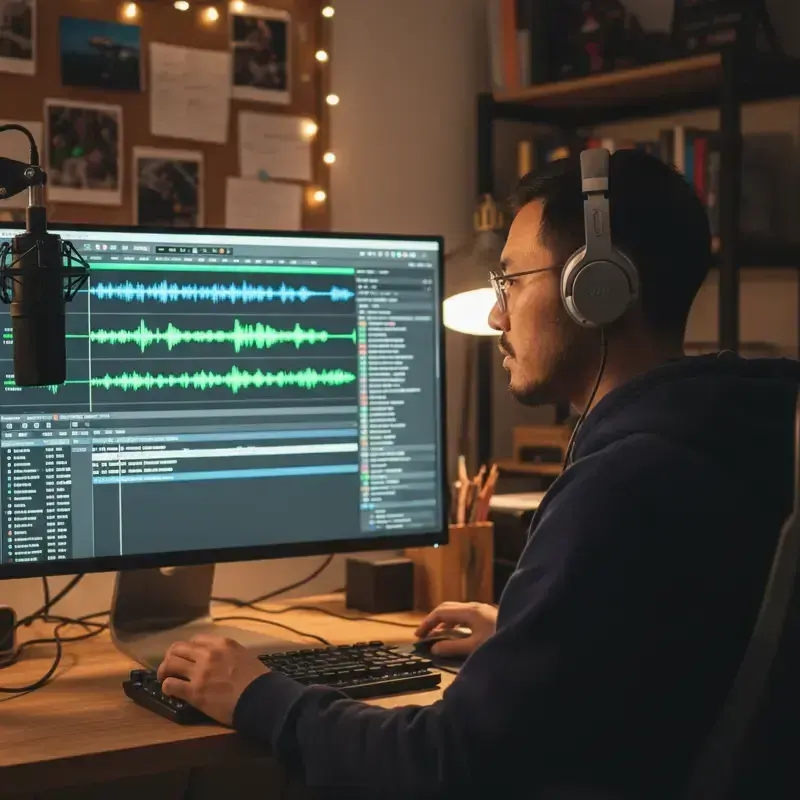 GuideAudiobook pronunciation guideGet every name right with AI voices: a name list, phonetic respelling, and one-line fixes.
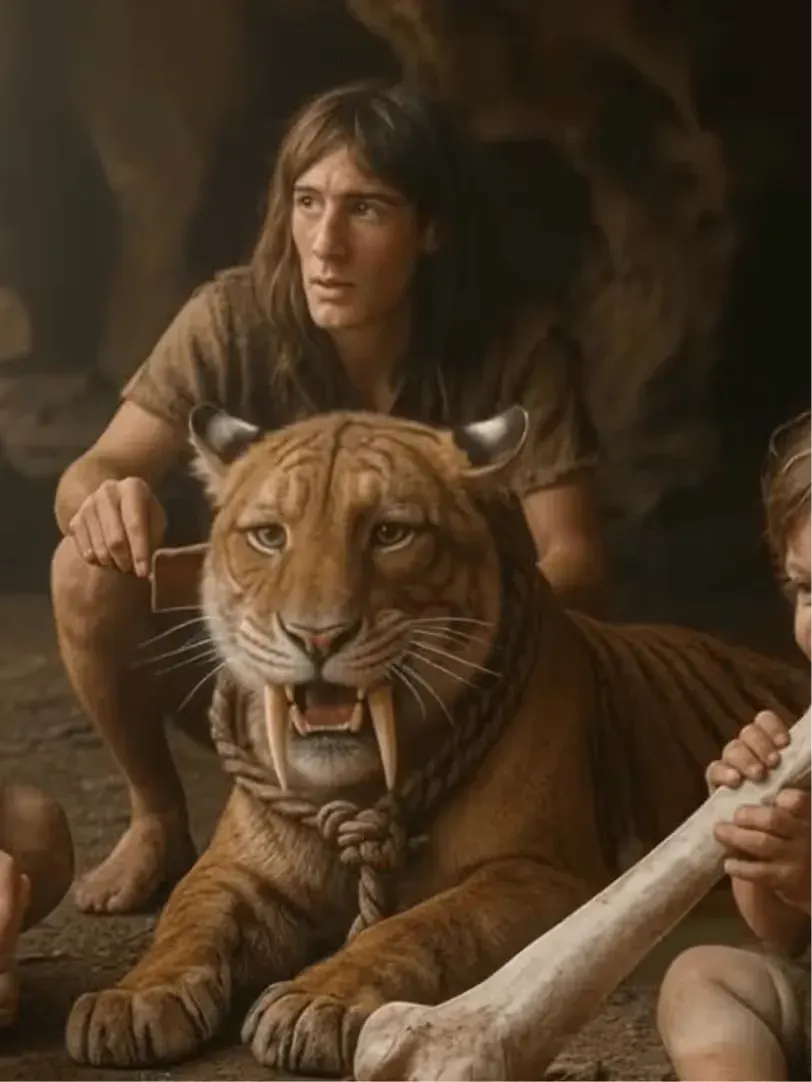 GenreLitRPG AudiobookA voice for the System, the party and the boss, plus a plan for stat screens and serial chapters.
 GenreSci-Fi NarrationA voice for every crew member, alien and ship AI, a steady narrator for the science, and invented words read the way you hear them.
 GenreRomance Audiobook NarrationGive both leads their own voice: dual narration by POV chapter or duet narration in every scene, cast and directed by you.
 ComparisonFull cast vs single narratorWhen a cast helps a book, when one narrator is the better choice, and what each costs with human performers or AI voices.
Upload the manuscript, respell the names and cast heroes and villains for fantasy audiobook narration that lasts the whole series. Free to start.