Tyler
English · Narration
LitRPG and progression fantasy
Give the System its own crisp voice, the party their own voices and the boss the voice it deserves. FullCastBook finds the speakers; you decide what the stat screens say out loud.

Lewis Carroll
Alice's Adventures in Wonderland
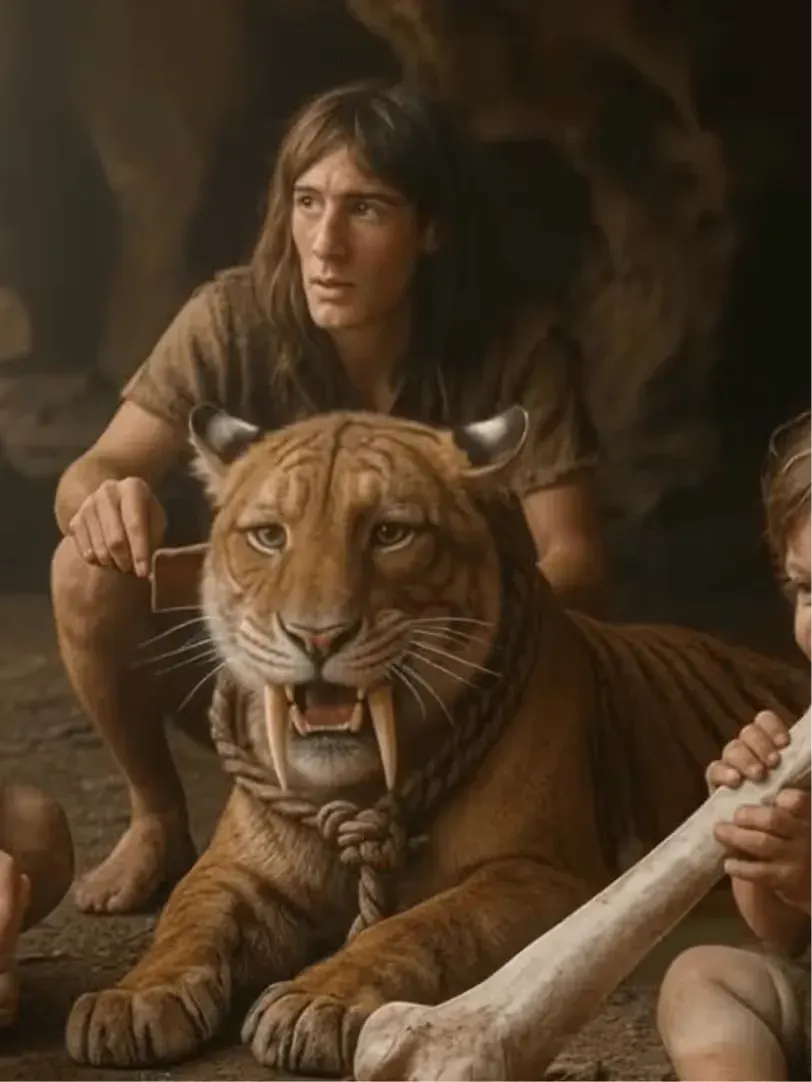
Alice asks the grinning Cheshire Cat for directions — and gets none.
The Cat only grinned when it saw Alice. It looked good-natured, she thought; still it had very long claws and a great many teeth, so she felt it ought to be treated with respect.
Step-by-step guide
A LitRPG audiobook from blue boxes to boss fights, in four steps. Free to start, nothing to install.
LitRPG Audiobook
What you get, from manuscript to finished audiobook.
Use cases
Where authors and storytellers put it to work.
Side by side
How LitRPG's game layer comes across with each approach.
| FullCastBook with a System voice | Single narrator | |
|---|---|---|
| System notifications | A separate voice, cast like a character | Narrator shifts tone, or effects added later |
| Stat screens | Trimmed to what you choose to voice | Varies by production |
| Party banter | A voice per party member | One performer doing voices |
| New serial chapters | Added to the same project as you post | Recorded in batches |
| Same voices next volume | Saved with the project | Depends on the narrator's schedule |
| Accepted by Audible (ACX) | No | Yes |
ACX's audio submission requirements, updated April 15, 2026, say narration must be human unless otherwise authorized. Check each store's policy before you publish.
Sources: ACX audio submission requirements
A crisp System, a narrator for the long grind, party members with energy and bosses with weight. Demo performances; in the studio you cast from standard and premium voice lists.
English · Narration
English · Narration
English · Narration
English · Character
English · Narration
English · Character
English · Creator
English · Creator
English · Character
English · Narration
In depth
A LitRPG audiobook tells two stories at once: the adventure, and the game interface that keeps interrupting it. Quest prompts, level-ups, skill descriptions and loot drops land in the middle of fights and conversations. Read in the same voice as the prose, the interface blurs into the story; given its own voice, it snaps into focus the way a blue box does on the page.
FullCastBook builds the cast from your manuscript: it finds the chapters and every speaking character, and lets you add a voice for anything that talks without quotation marks, starting with the System. It runs on the same studio as our AI audiobook generator, with a few habits that are specific to LitRPG audiobook narration.
Pick a System voice that sounds nothing like the narrator: crisp, even and a little detached. A clear, authoritative voice has the feel of an interface; direct it [flat, precise, no emotion] and it stays consistent through hundreds of notifications. If your System has a personality, sarcastic, gleeful or quietly menacing, write that into the direction instead. A world-wide announcer, if your book has one, can get a voice of its own too, and a resonant, broadcast-style voice fits it.
Many LitRPG books put System messages in square brackets. Brackets are how you write directions in FullCastBook, so in the copy you upload, drop the brackets and keep each message as a paragraph of its own; that way it is read aloud rather than taken as a direction. Then add a System character to the cast and move those lines to it.
Here is one notification, before and after. On the page: [Quest Accepted: Clear the Goblin Warren. Reward: 500 XP]. In the audio copy, as its own paragraph: Quest accepted. Clear the Goblin Warren. Reward: five hundred experience points. Move that line to the System, give it the direction [flat, precise, no emotion], and the narrator's next sentence picks the story straight back up.
Stat screens are the hardest part of LitRPG audiobook narration. A full character sheet read aloud is a minute of numbers, and listeners can't skim. A good rule: voice the full sheet at milestones, such as the end of a volume or a major class change, and only the changes in between: “Strength increased by two. New skill: Shield Bash.”
Write stats the way they should sound. Tables become sentences, abbreviations become words (Strength, not STR), and symbols are spelled out (plus five, twelve out of twenty). If readers want every number, post the full sheets on your site or Patreon. Clean a sheet once in the upload copy and every voice reads the tidy version; fix single lines in the studio and regenerate only those.
Cast the party for contrast first. The litrpg narrator, the protagonist and the party share most scenes, so give them clearly different ages, pitches and energies: a quick, youthful voice for a fast-talking gamer lead, a sharp, dry one for a sarcastic party member, a bright, curious one for an AI companion and a small, high one for a familiar or pet sidekick. Keep the narrator calmer than all of them; an even, unhurried delivery holds up over a long grind.
Bosses get the heaviest voices you have, a deep, gravelly one or a low growl, directed [booming, unhurried, amused] for the monologue and [roaring] when the fight turns. NPCs who appear once can share a few utility voices. Detection still lists them all, so you decide who deserves a voice of their own.
Many LitRPG stories start as serials. Paste chapters as you write them, or upload the manuscript of a finished volume, and add new chapters to the same project as you post them so the cast carries straight on. Upload your own drafts rather than copying from the site, and keep author's notes, polls and shout-outs out of the audio copy.
If you've signed audio rights to a publisher, the audio edition isn't yours to make, so check your contract first. For serial workflows beyond LitRPG, see web novel to audiobook.
Progression fantasy and LitRPG series often run to many volumes, and listeners binge them. FullCastBook saves the cast with each project, so the next volume starts with the narrator, the System and every returning party member already on their voices; new characters are detected and cast as they appear. A progression fantasy audiobook lives on that continuity: the mentor from book one should still sound like the mentor in book six.
Volumes in these genres tend to be long. At about 155 words a minute, a 150,000-word volume runs roughly 16 hours; the audiobook cost calculator turns your word count into running time and credits, and the plans show which one covers it. Much of the craft carries over from fantasy audiobook narration, including how to respell invented names and skills.
Usually by trimming: voice the full sheet at milestones and only the changes in between, written as sentences rather than tables. Edit the text you upload, or any single line in the studio, to control what gets read.
Yes. In a LitRPG audiobook, add a System character to the cast, move the notification lines to it and give it a voice that contrasts with the narrator. If your System messages use square brackets, remove them in the upload copy first so they're read aloud rather than taken as directions.
Yes, if you hold the audio rights to your story. Paste or upload your own chapters and add new ones to the same project as you post them. Leave author's notes and comments out of the audio copy.
It depends on the volume, and LitRPG volumes are often long. At about 155 words a minute, every 100,000 words makes roughly 10 hours 45 minutes of audio; the audiobook cost calculator gives the figure for your book.
The files are yours to use commercially under our terms. Stores set their own rules: Spotify accepts digital-voice narration when you label it, while ACX, Audible's production platform, currently requires human narration unless otherwise authorized.
No. Credits are counted by the characters voiced, not by the number of voices, so a System voice and a full party cost the same as one narrator reading the same text. Premium voices cost more per character than standard ones.
Keep exploring
 AudienceWeb Novel to AudiobookVoice your serial chapter by chapter, with the same full cast from chapter one to the latest release.
 GenreXianxia AudiobookElders, rivals and senior brothers with voices of their own, and pinyin names said one way for 1,000 chapters.GenreFantasy Audiobook NarrationCast a narrator, heroes, villains and creatures from your manuscript, fix invented names and keep the cast for the sequel.
 GenreSci-Fi NarrationA voice for every crew member, alien and ship AI, a steady narrator for the science, and invented words read the way you hear them.ToolMulti-Voice AudiobookGive the narrator and every speaking character a distinct AI voice, detected straight from your manuscript.
 Free toolAudiobook Length CalculatorTurn a word or page count into finished audiobook hours and average chapter length, at the narration pace you pick.
Upload a volume, give the System and the party their voices, and export every chapter. Free to start.