Blake
English · Narration
Fantasy romance, dual POV
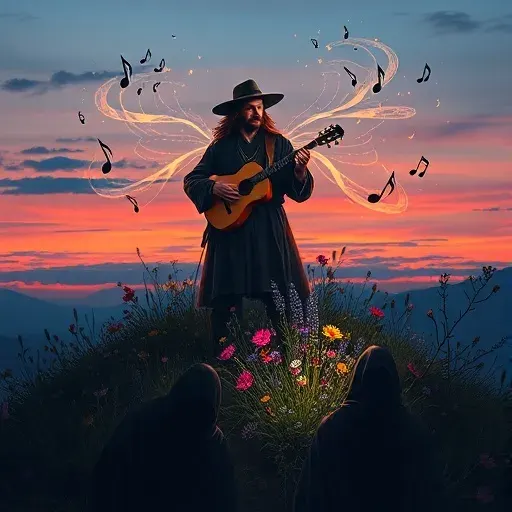
Two leads who sound like themselves in every chapter, and a court around them: rivals, rulers, fae and the occasional dragon. FullCastBook finds every speaker in your manuscript; you cast the romance and direct the slow burn.
Lewis Carroll
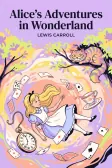
Alice's Adventures in Wonderland
Alice asks the grinning Cheshire Cat for directions — and gets none.
The Cat only grinned when it saw Alice. It looked good-natured, she thought; still it had very long claws and a great many teeth, so she felt it ought to be treated with respect.
Step-by-step guide
Two leads, a whole court, one manuscript. Free to start, nothing to install.
Romantasy Audiobook
What you get, from manuscript to finished audiobook.
Use cases
Where authors and storytellers put it to work.

Intimate leads, cool fae royalty, villains and things with wings. Demo performances; in the studio you cast from standard and premium voice lists.
English · Narration
English · Narration
English · Narration
English · Narration
English · Narration
English · Narration
English · Narration
English · Character
English · Narration
English · Narration
In depth
A romantasy audiobook has two jobs at once. It carries a love story told from close inside two heads, and a fantasy world full of rulers, rivals, soldiers and creatures. Readers of the genre feel the strain on a single narrator: search suggestions for dramatized and full-cast audiobooks are crowded with romantasy titles, because these listeners want the court to sound like a court and the leads to sound like themselves.
FullCastBook, an AI audiobook generator built around casts, makes that kind of dramatized romantasy audiobook from your manuscript. It finds the chapters and every speaker, gives each one a voice plus a narrator, and leaves the casting and the direction to you. This page covers what's specific to romantasy; the general conventions live in romance audiobook narration and fantasy audiobook narration.
Most romantasy is dual POV, which makes the leads the backbone of the cast. For this genre, duet usually beats dual. The leads spend whole chapters apart, at different courts or on opposite sides of a war, and when they finally share a scene, hearing two voices does the work a dialogue tag does on the page. Romantasy audiobooks with duet narration also suit AI voices, because each voice only ever plays one person.
Choose the pair before anyone else. Play the same quarrel in both voices and check that they contrast without clashing: a low, controlled voice against a quick, bright one works better than two similar mid-range voices. Then give each POV chapter's narration to its lead. A heading like “Chapter 12: Kael” shows at a glance whose chapter is whose, so the right romantasy audiobook narrator tells each one.
Around the couple, cast for rank and contrast. Monarchs and fae lords want weight and stillness, a cool voice that never needs to rise. The rival, the jealous betrothed or the third point of a love triangle needs a voice as appealing as the lead's but clearly different, or the triangle stops being a contest. Friends and sidekicks can be brighter and quicker; they're the relief between the intrigue.
Fae romance audiobook casting has one trap: ancient, inhuman characters played by voices that sound like the boy next door. Give the oldest beings the most unusual voices in the studio's lists, direct them [amused, ancient, unhurried], and keep them consistent; a fae queen who is all silk in chapter three shouldn't shout in chapter nine unless the story earns it. A dragon that speaks takes your deepest voice, directed [slow, rumbling], with any effects added afterwards in an audio editor.
Romantasy loves silent letters and apostrophes, and AI voices guess at words they haven't seen. FullCastBook has no pronunciation dictionary, so respell names in the copy you upload: Rhaelys as Ray-liss, Caer Velun as Kire Vel-oon, Aoibh as Eev. Write titles out in full rather than abbreviating them. Every voice reads the same respelled text, so the leads, the court and the narration agree.
Test each tricky name on a single line and regenerate it until it's right, then keep the list with your series notes. Readers notice when a court's name shifts between books, and a respelling list is the cheapest way to stop it.
Romantasy changes gear more often than either parent genre: a sparring match, a battle, a council, then a scene where two people barely touch. Write the gear change into the directions. Banter wants short notes like [dry] or [teasing]; battle wants [shouting over the noise] on the few lines that need it; slow burn wants the opposite of drama, such as [quiet, not looking at him], with a [breathe] before the line that matters.
Keep the narration between those lines steady, because contrast is what makes the slow burn land. For intimate chapters, remember that the voice models come from third-party providers with their own content rules, so a very explicit line can occasionally be refused; try your spiciest scene on the free credits first.
A short scene we wrote for this page. A fae prince escorts a mortal envoy into his mother's court; it's the envoy's POV chapter, so she narrates in her own voice, duet style.
The envoy, narrating in a quick, bright voice: [low, wary] The hall went silent when we walked in, which was worse than whispers.
The prince, a cool, unhurried voice: [amused, barely interested] “They're deciding whether you're a gift or an insult.” The envoy: [dry] “And what did you decide?”
The Queen of Ash, an older, silken voice: [pleasant, merciless] “He doesn't decide anything, little envoy. [laugh] That's rather the point of him.” The prince: [quiet, not looking at her] “Walk faster.”
Three voices and six short directions. The prince's last line is the slow burn, played as restraint rather than romance; nothing in the notes says “romantic”.
Romantasy runs in series, and readers follow a couple and their found family across four or five books. FullCastBook saves the cast with the project, so the sequel starts with both leads, the court and the rival already cast; new characters are detected and cast as they arrive. When the best friend gets her own spin-off, she keeps her voice and simply becomes a lead.
Before you publish, check each store's policy: ACX, Audible's production platform, currently requires human narration unless otherwise authorized, while Spotify accepts digital-voice narration when you label it. To weigh the format, compare full cast vs single narrator, hear full-cast examples on the home page, or, for younger readers of the genre, see YA audiobook narration.
One where a cast voices the characters instead of a single narrator: the two leads, the court and the creatures each sound distinct. FullCastBook makes the voices; music and sound effects, if you want them, are added afterwards in an audio editor.
Yes. Each lead speaks their own lines in their own voice by default; give each POV chapter's narration to its lead and the whole book is in duet style.
Two leads, who usually share the narration, then a core cast for the rulers, rivals and friends who speak across many chapters. One-scene guards and servants can share a few utility voices.
Respell each name the way it should sound in the copy you upload, test it on one line and keep the list for the sequel. Every voice reads the same spelling, so the names stay consistent.
Not with AI narration today: ACX's rules, updated April 15, 2026, require human narration unless otherwise authorized. The files are yours, so you can sell them where AI narration is accepted; Spotify, for example, takes digital-voice narration when you label it.
No. Credits are counted by the characters voiced, so the cost follows the length of the book and whether you choose standard or premium voices, not the number of characters. See the audiobook cost calculator or the plans.
Keep exploring
 GenreRomance Audiobook NarrationGive both leads their own voice: dual narration by POV chapter or duet narration in every scene, cast and directed by you.
 GenreFantasy Audiobook NarrationCast a narrator, heroes, villains and creatures from your manuscript, fix invented names and keep the cast for the sequel.
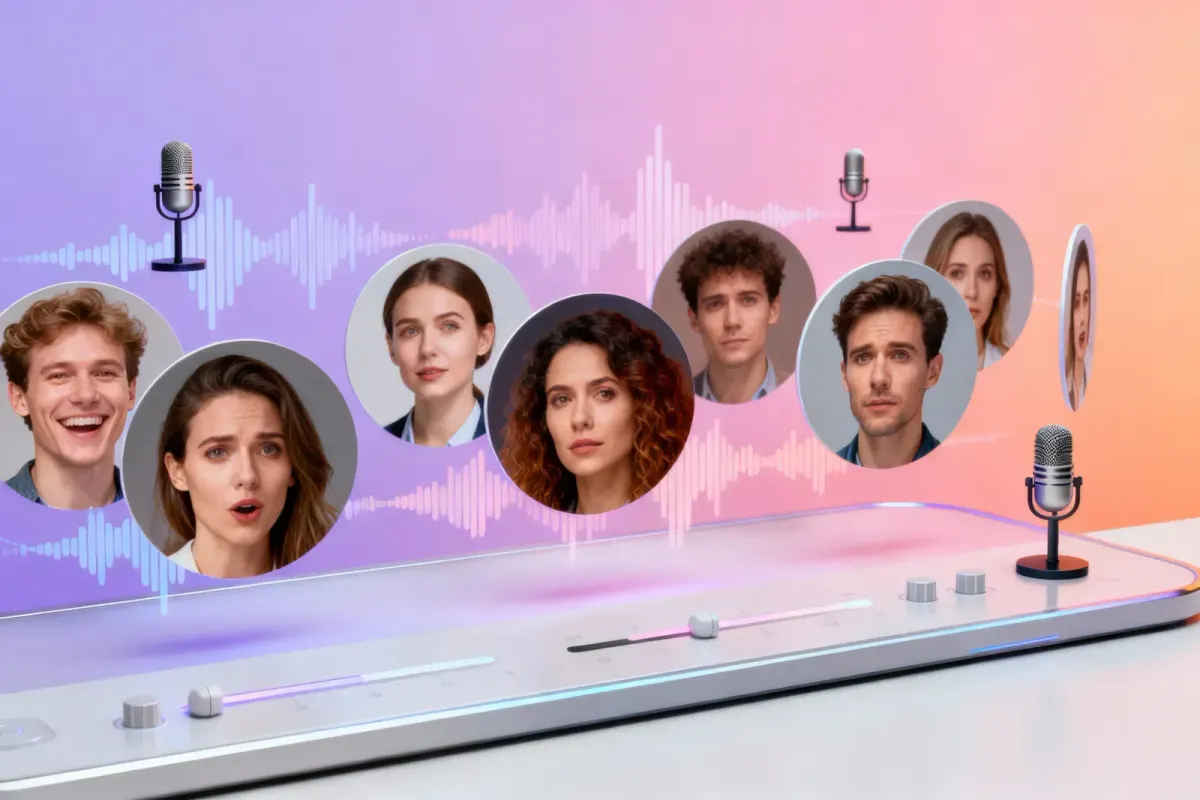 ComparisonFull cast vs single narratorWhen a cast helps a book, when one narrator is the better choice, and what each costs with human performers or AI voices.
 GuideAudiobook pronunciation guideGet every name right with AI voices: a name list, phonetic respelling, and one-line fixes.
 GenreYA Audiobook NarrationA first-person lead who sounds like a teen, a friend group you can tell apart, pacing built for dialogue.
Upload your manuscript, lock in the two leads and cast everyone around them for a romantasy audiobook that lasts the whole series. Free to start.